


Metal as a design choice
In the landscape of architecture and contemporary design, metal has taken on an increasingly central role. No longer only for its mechanical properties or for its resistance over time, but for its ability to define the very identity of a space. Large, continuous, material or reflective metal surfaces are today called to dialogue with light, with the architectural context and with the user experience.
In this scenario, metal ceases to be a simple finishing material and becomes a real design choice. A choice that requires awareness, method and responsibility.
Beyond the decoration
For many years, metal finishes were considered a decorative element, a detail to be inserted downstream of the design process. A color, a texture, a visual effect to select when everything else had already been decided.
Today, this approach clearly shows its limitations. In high-exposure projects — prestigious residential, iconic retail, hospitality, international contract — metal surfaces are no longer an accessory. They become an integral part of architecture, affect the perception of space and contribute decisively to its identity.

Surface, matter, time
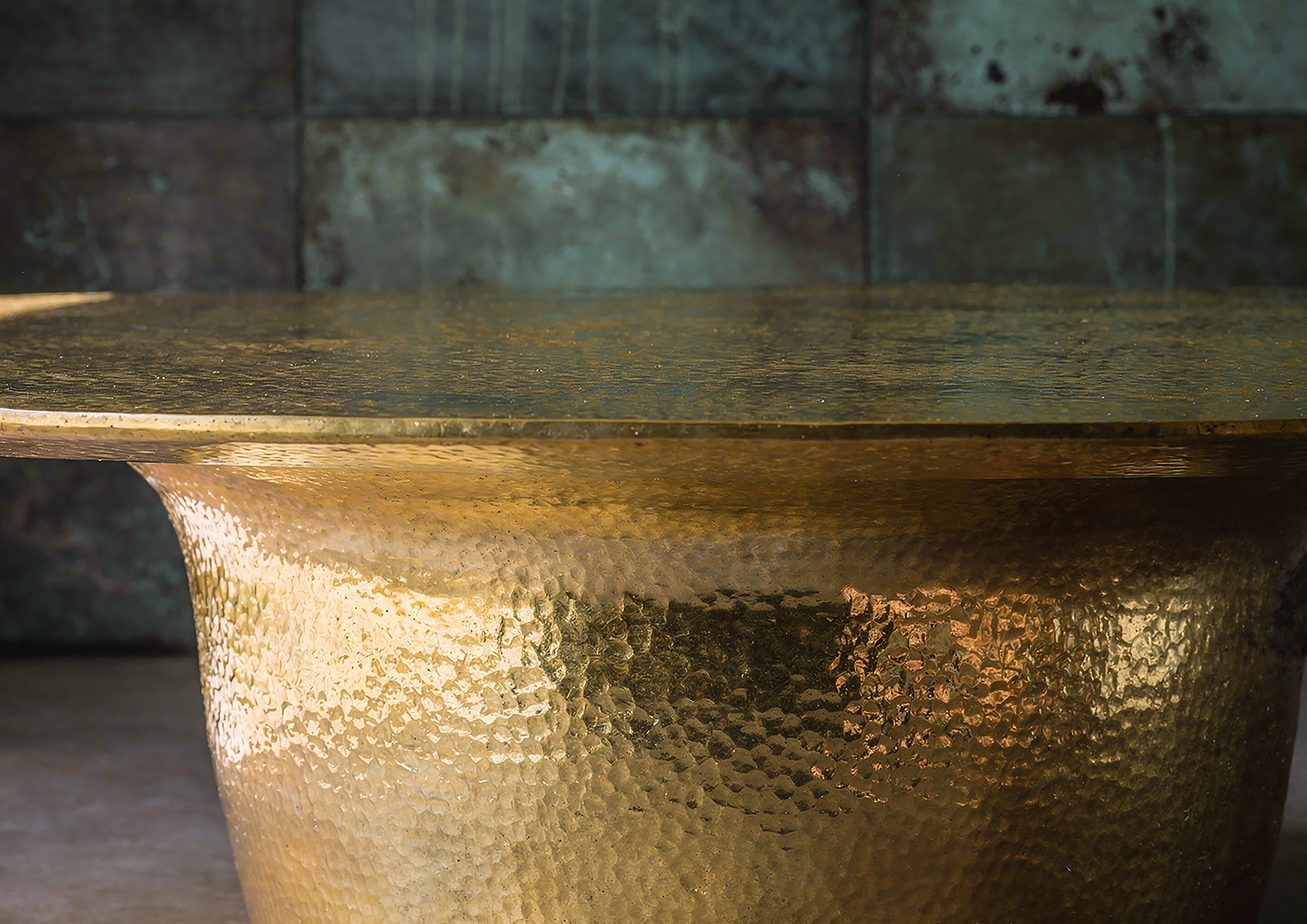
A metal surface is never static. Even when it appears stable and defined, it continues to dialogue with its surroundings. Natural and artificial light, humidity, air, human contact: everything contributes to changing its perception over time.
This is particularly evident in the case of oxidized, patinated or materially processed surfaces, where the matter retains a living component, not completely controllable except through a precise method. Designing a metal surface therefore also means designing its evolution.
The value of irreversibility
One of the most important characteristics of metal surfaces is their irreversibility. Once applied, they cannot simply be 'retouched' or corrected without altering their balance.
This condition requires deep reflection in the design phase. It means deciding first, when the choices are still conscious and manageable. It means taking responsibility for a definitive result.
The role of the method
Behind every coherent metal surface, there is a method. Preparation of the support, choice of the application cycle, thickness control, reaction times, protection systems: each phase contributes decisively to the final result.
Treating a metallic finish like a standard product means ignoring this complexity. Governing it, on the other hand, means transforming matter into architecture.
Preparation, depth, gesture
The quality of a metal surface is born long before the visible effect. It was born in the preparation of the support, in the management of thicknesses, in the application gesture.
Every gesture leaves a trace.
Each thickness changes the perception.
Every technical choice affects durability.
These items are not separable. They act together and define the final character of the surface.
Prescription, not replacement
In the work of our Maison, metal finishes are not treated as products to be replaced or replicated. They are prescribed as systems, defined from the earliest stages of the project.
This approach makes it possible to reduce risk, preserve aesthetic consistency and ensure continuity between master, mock-up and final realization. It is a way of working that requires time, dialogue and skills, but which restores control and reliability.

The surface as architecture
When a metal surface becomes an integral part of the space, it ceases to be a detail. It becomes architecture.
In these cases, there is no second chance. There is no retrospective correction. Every choice must be considered, shared and controlled first.
The human presence as a ladder
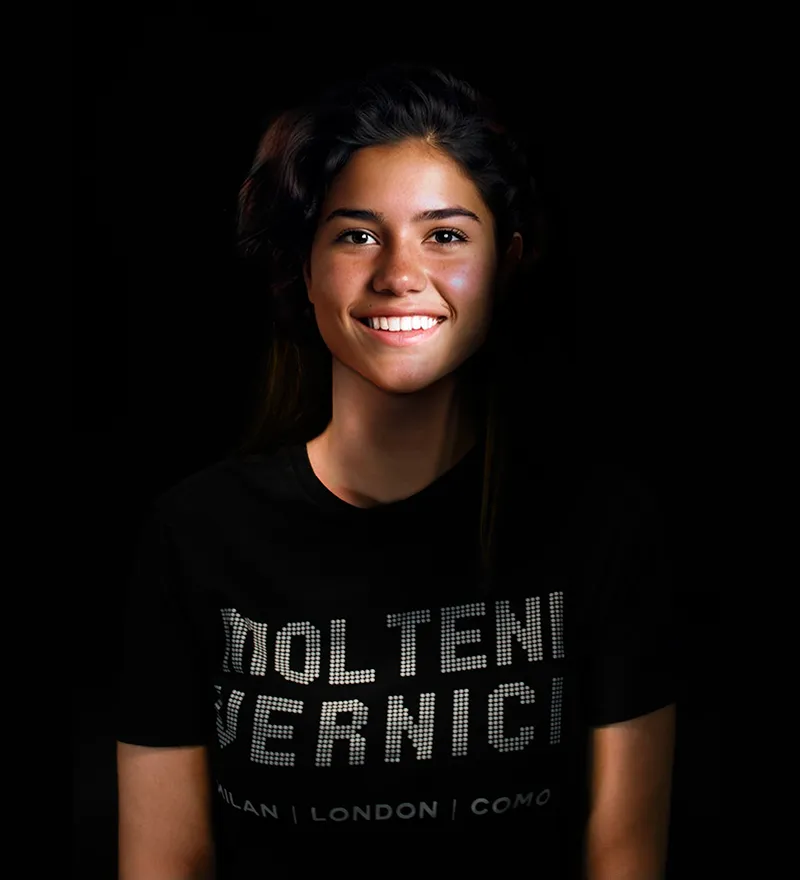
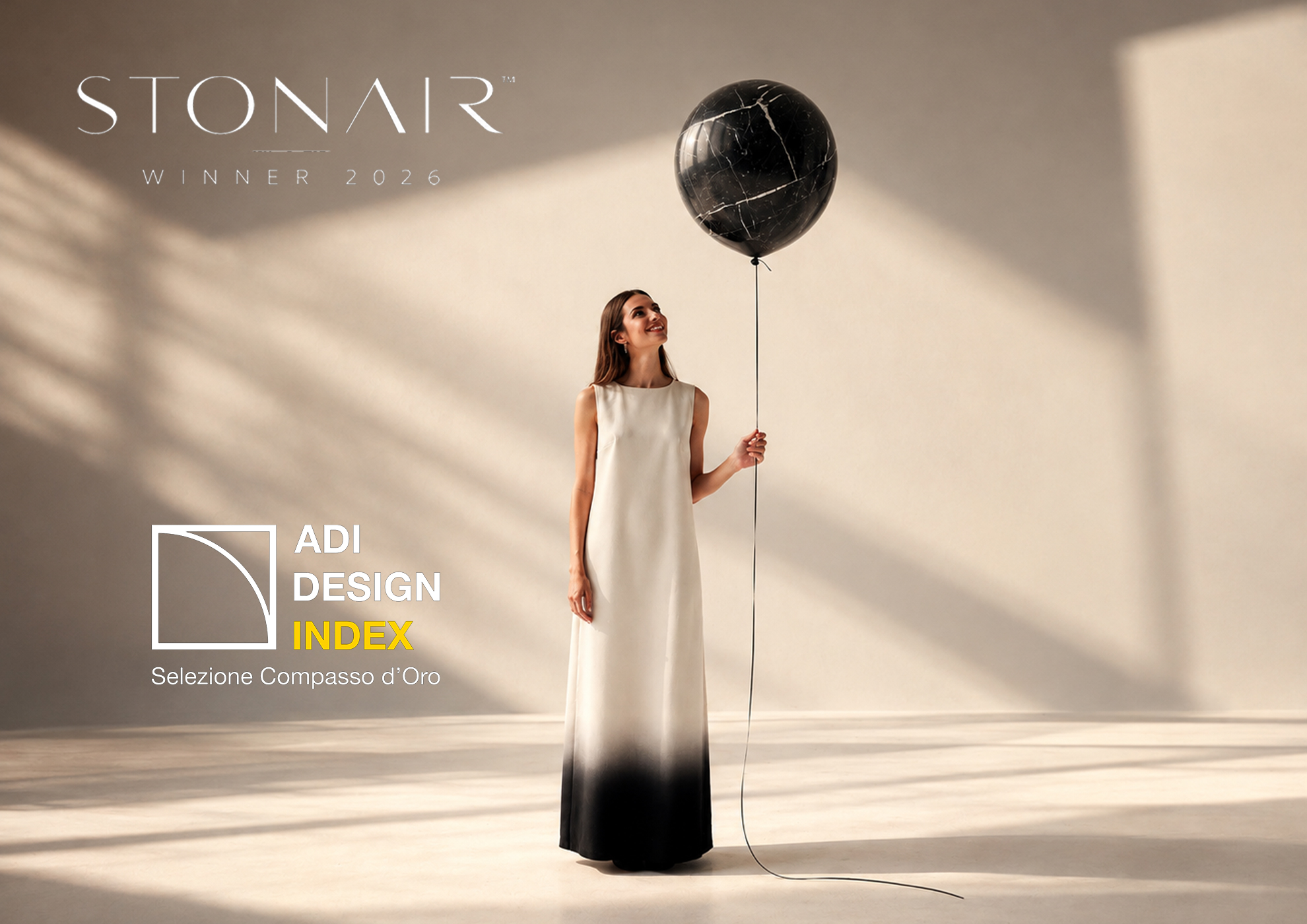
Inserting human presence next to matter does not mean telling a story, but providing a scale of reference. The person becomes measure, not the protagonist. The surface remains in the center.
This balance reflects our approach: not to spectacularize the material, but to make its design value legible.
Technical and cultural responsibility
The responsibility for a metal surface is not only technical. It's also cultural. It means respecting matter, understanding its limits, exploiting its potential without forcing it.
At a time when everything seems replicable and accelerable, choosing metal as an architectural surface means accepting complexity and governing it methodically.
The role of specialized houses
Correctly dealing with a metal surface requires specific skills, experience and an overview. This is why the role of specialized houses becomes central.
Not as product suppliers, but as project partners, able to accompany architects, designers and companies in the definition of consistent, durable and controlled solutions.

A shared responsibility
The success of a metal surface is always the result of a dialogue. Between designer, applicator and Maison. It is in this dialogue that metal finds its most authentic form: not as decoration, but as a conscious choice.
Conclusion
When a metal surface can't be redone, every decision counts.
It's not the final effect that makes the difference, but the process that made it possible.
Tackling metal as a project responsibility means choosing the method, control and awareness. It means designing not only what you see, but what remains over time.