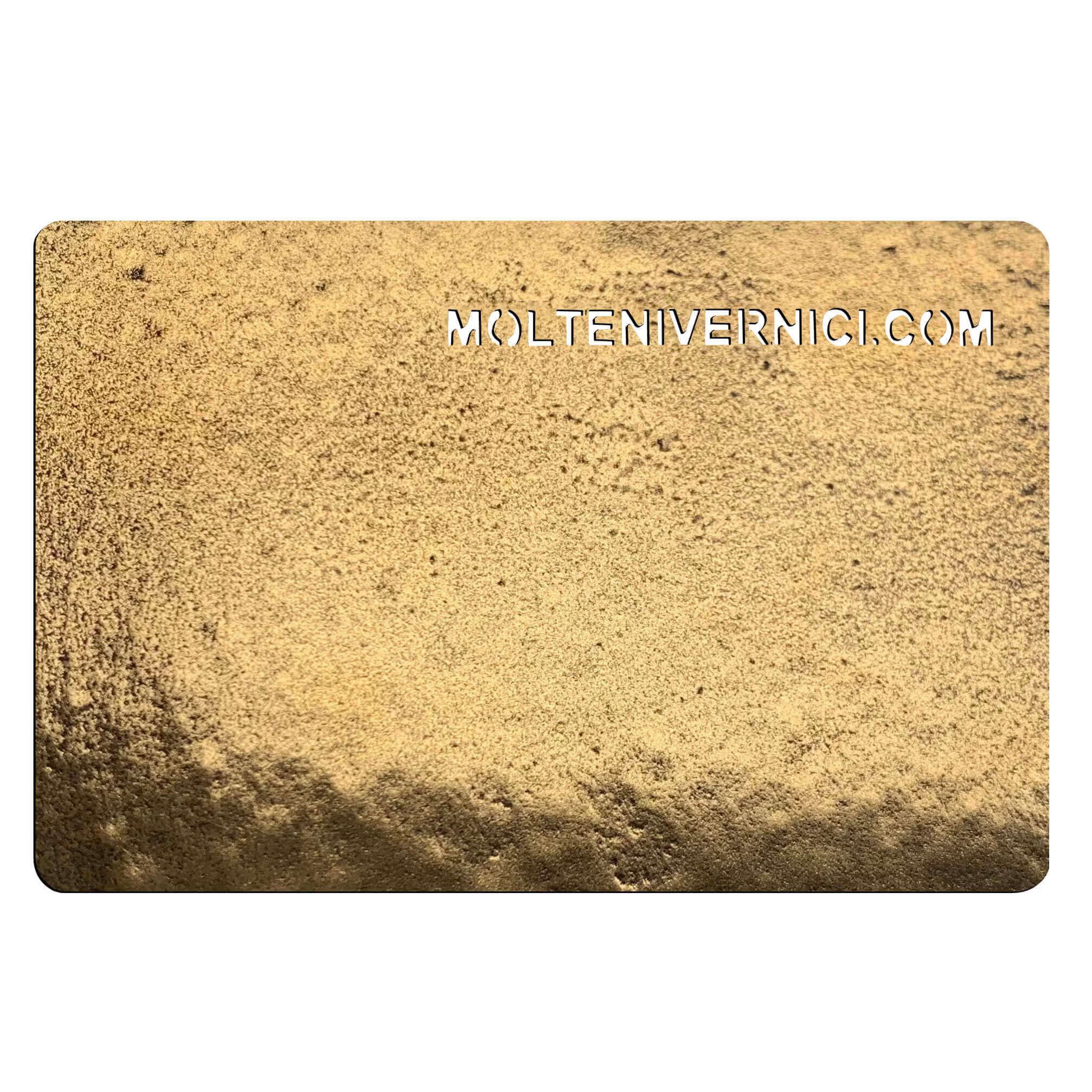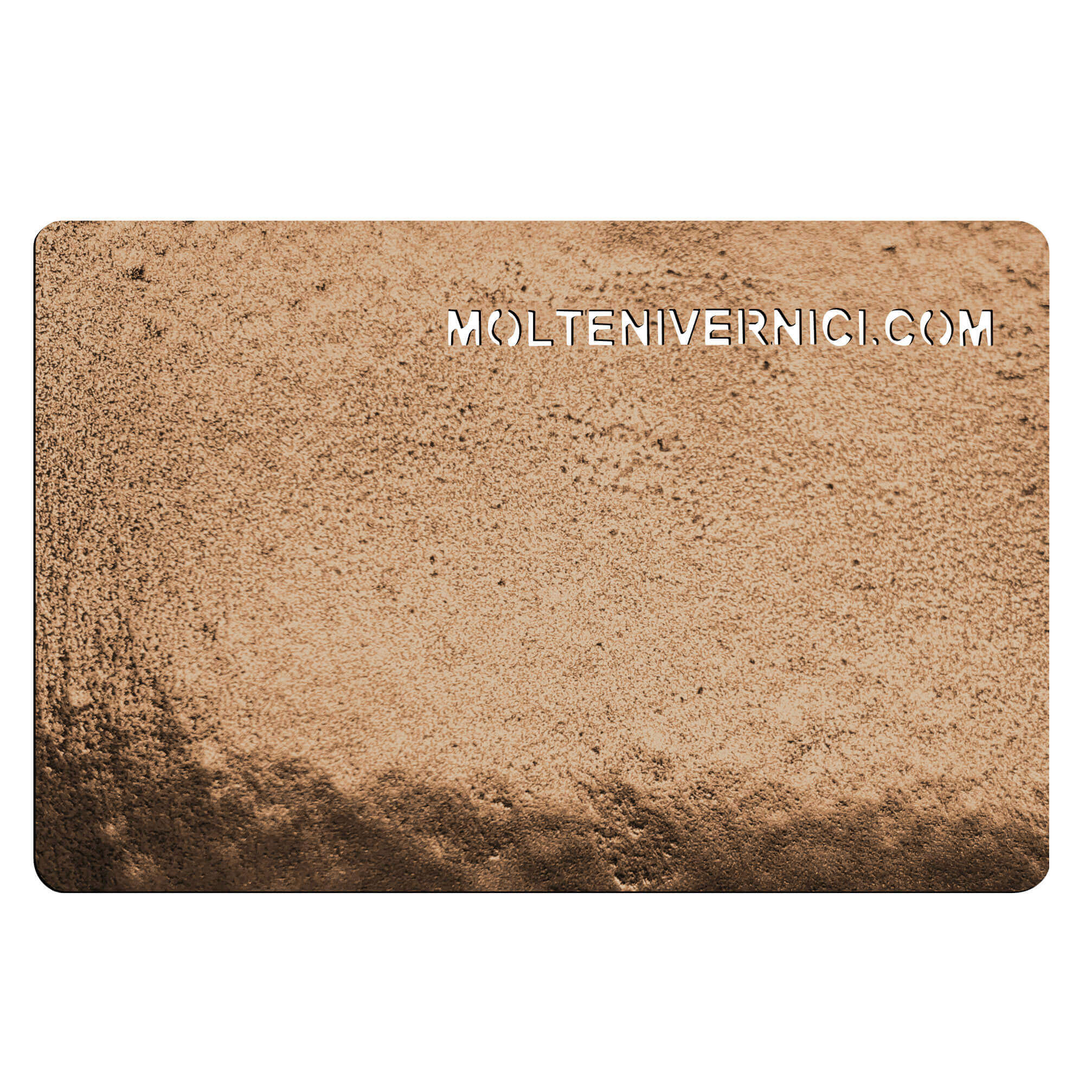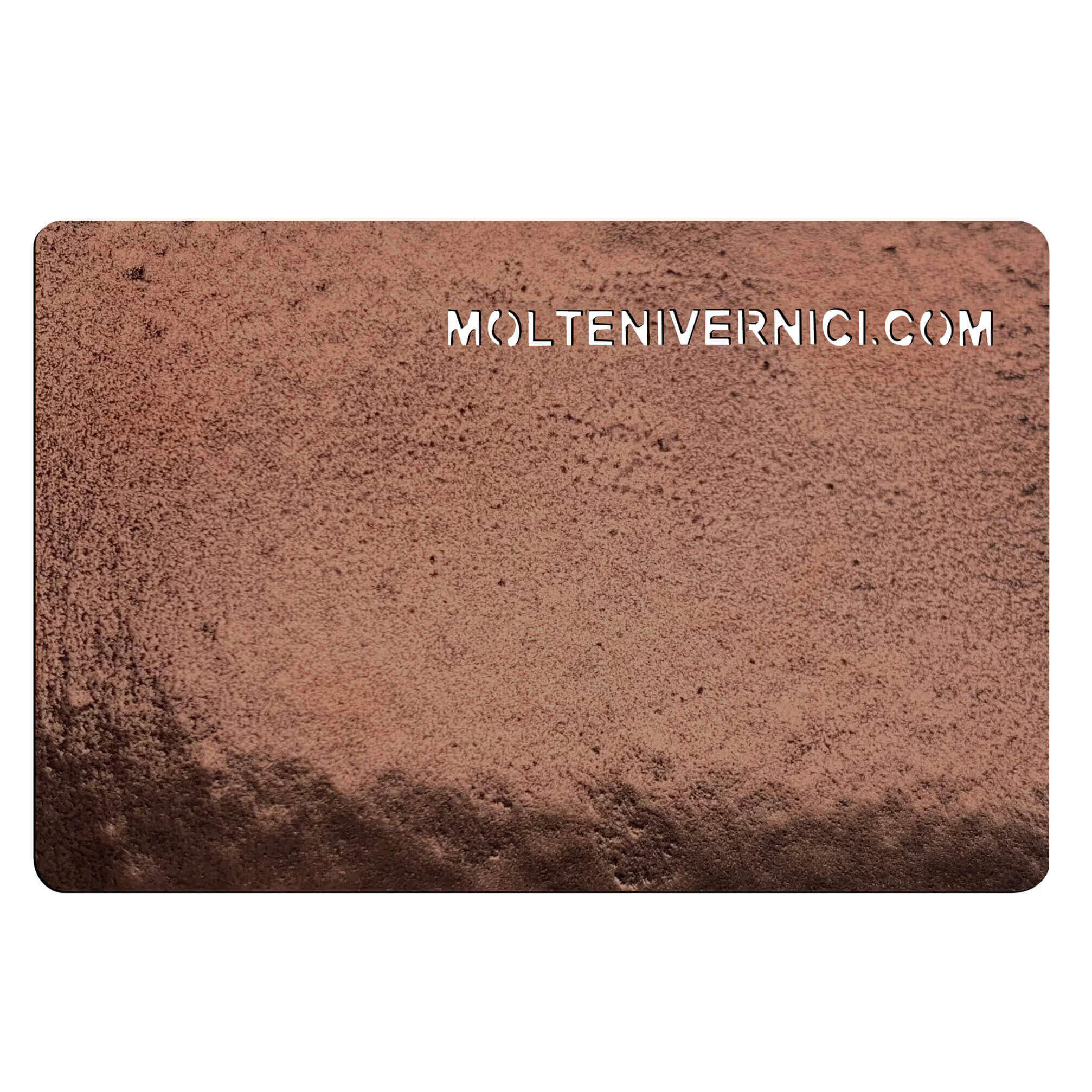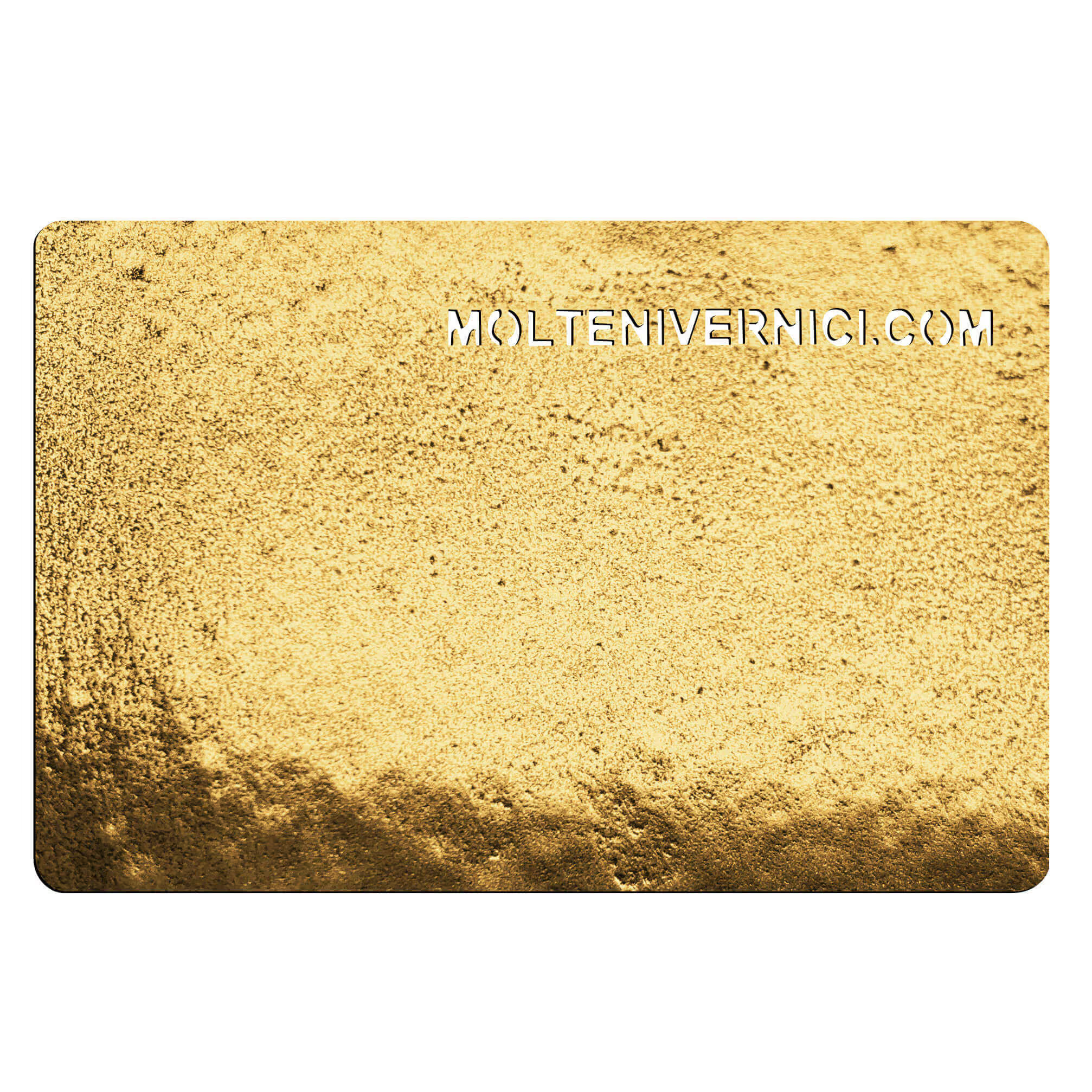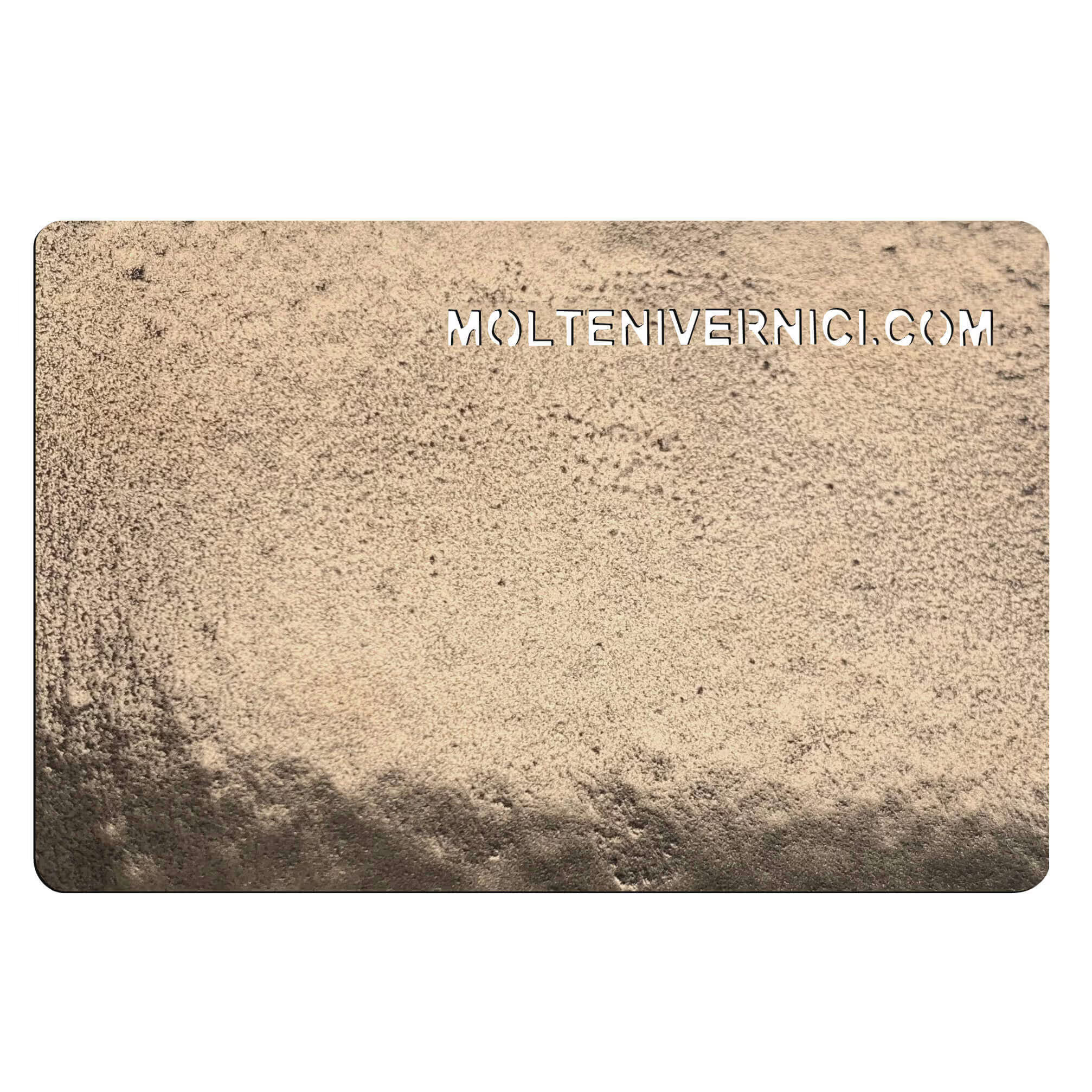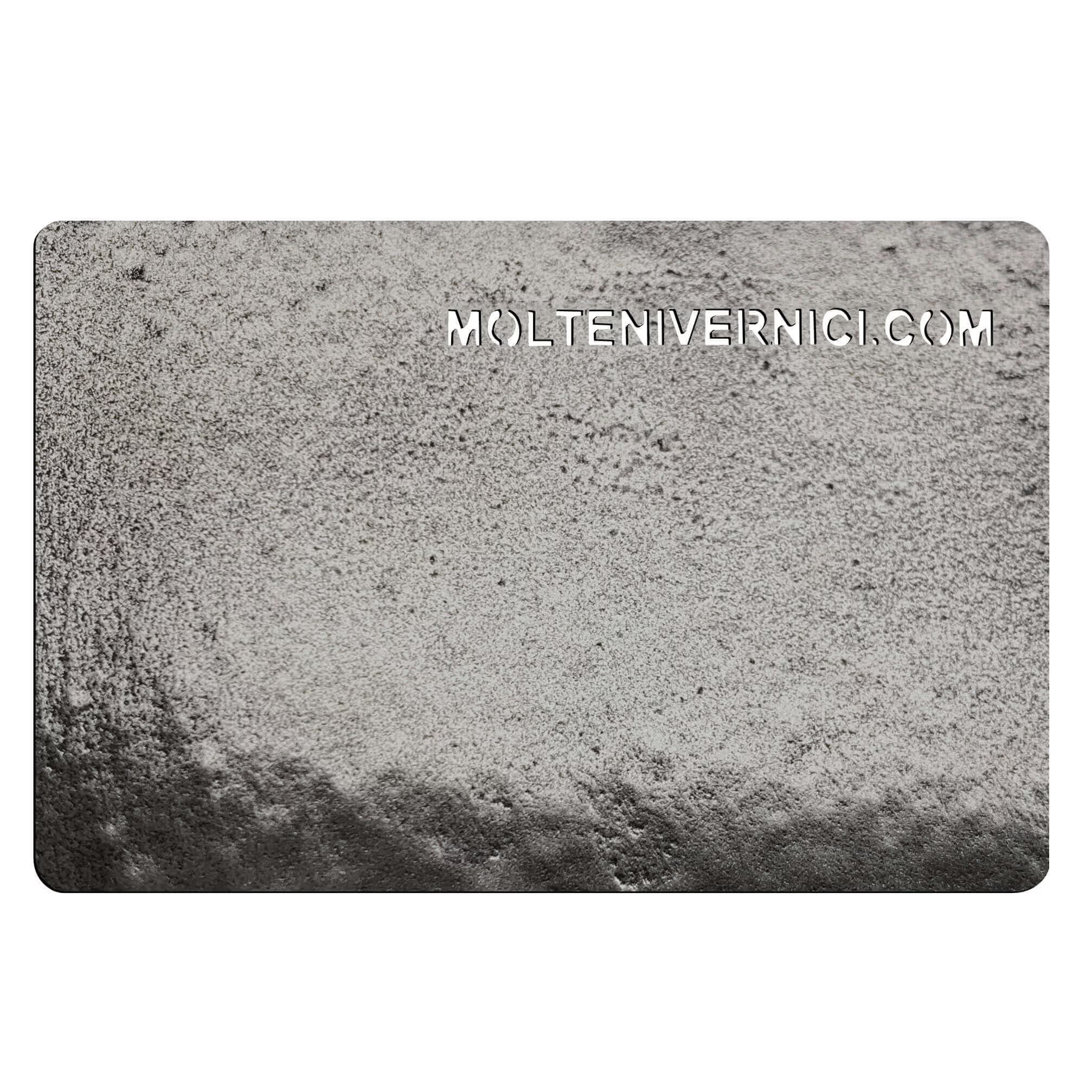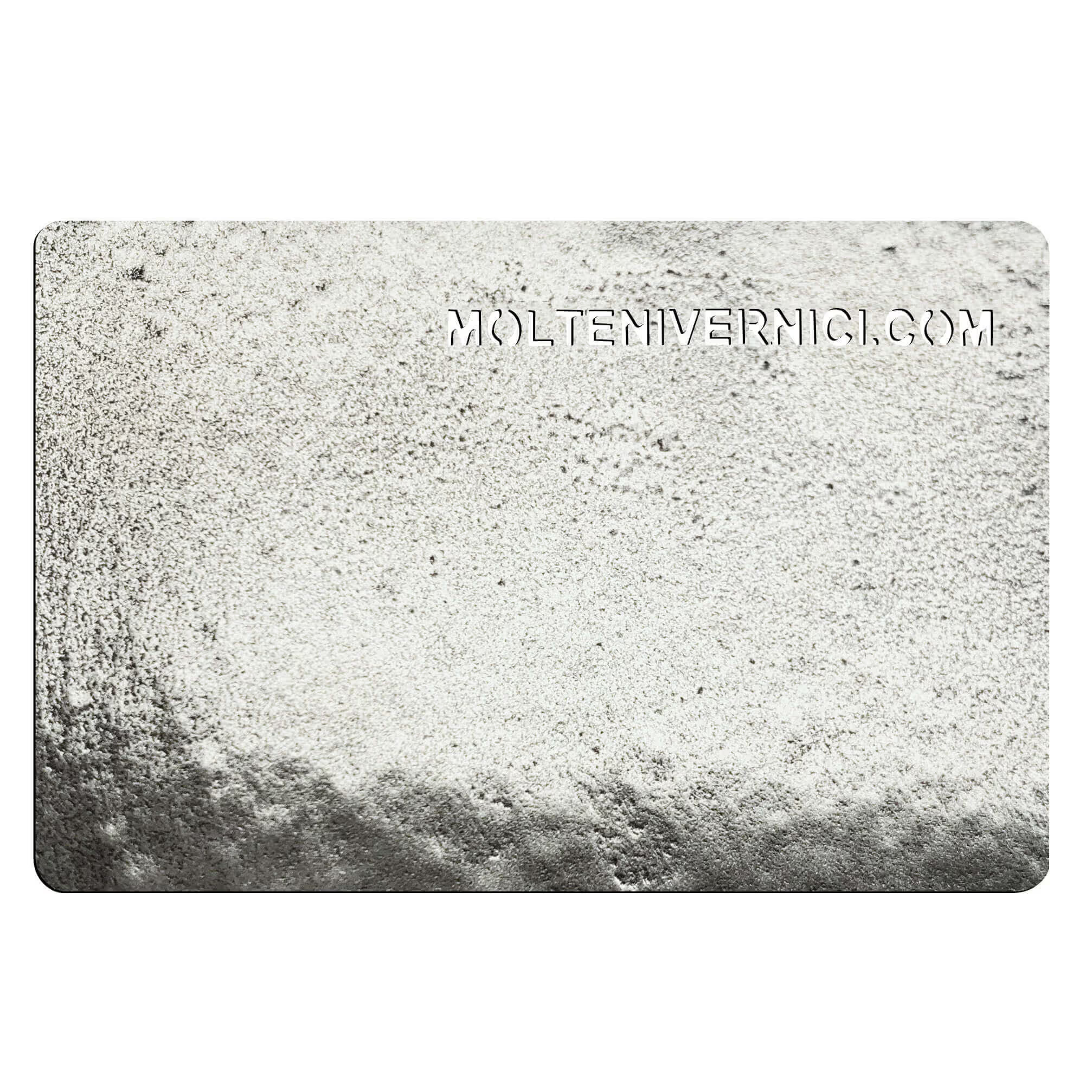







.png)




.svg.webp)


POWERMETAL™
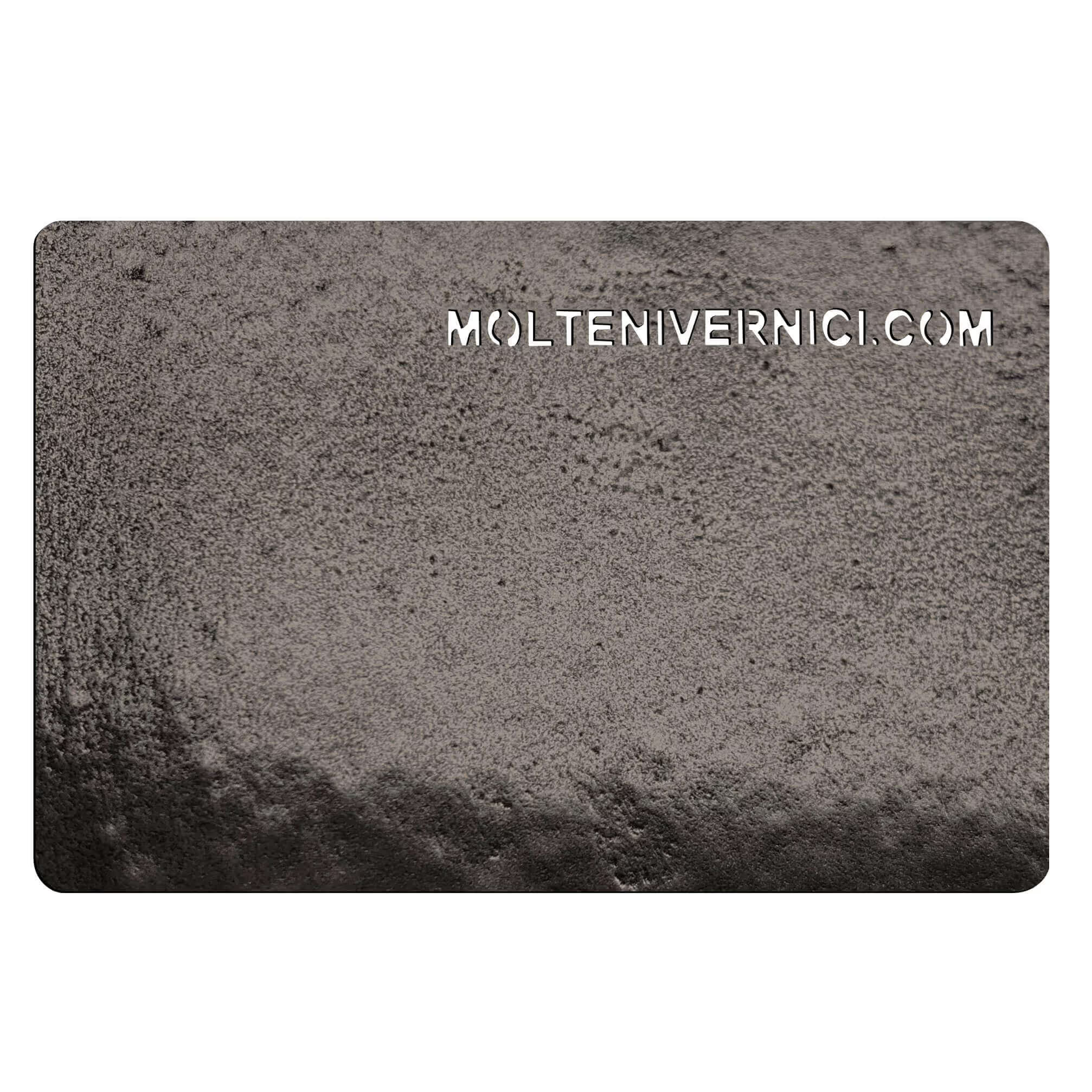
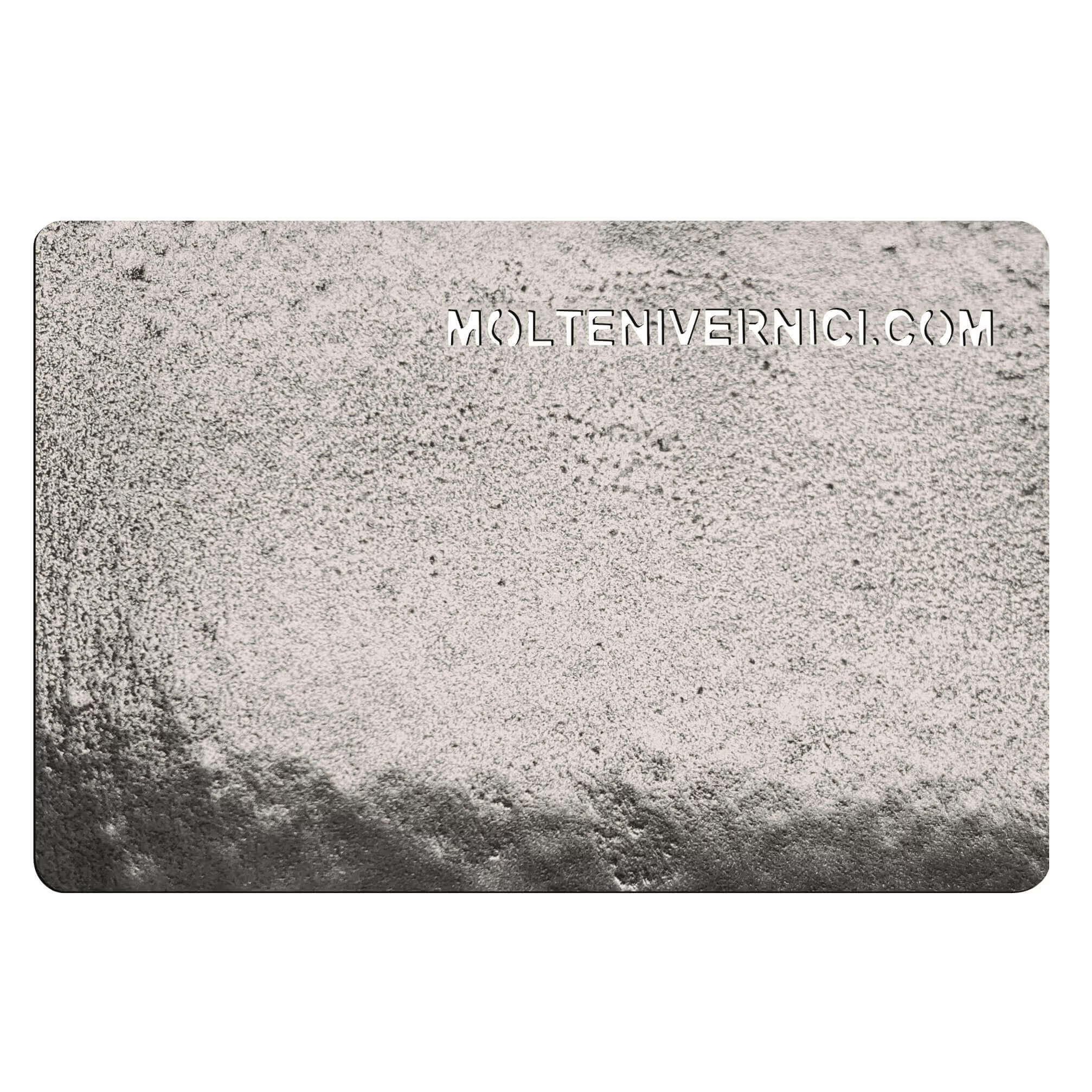
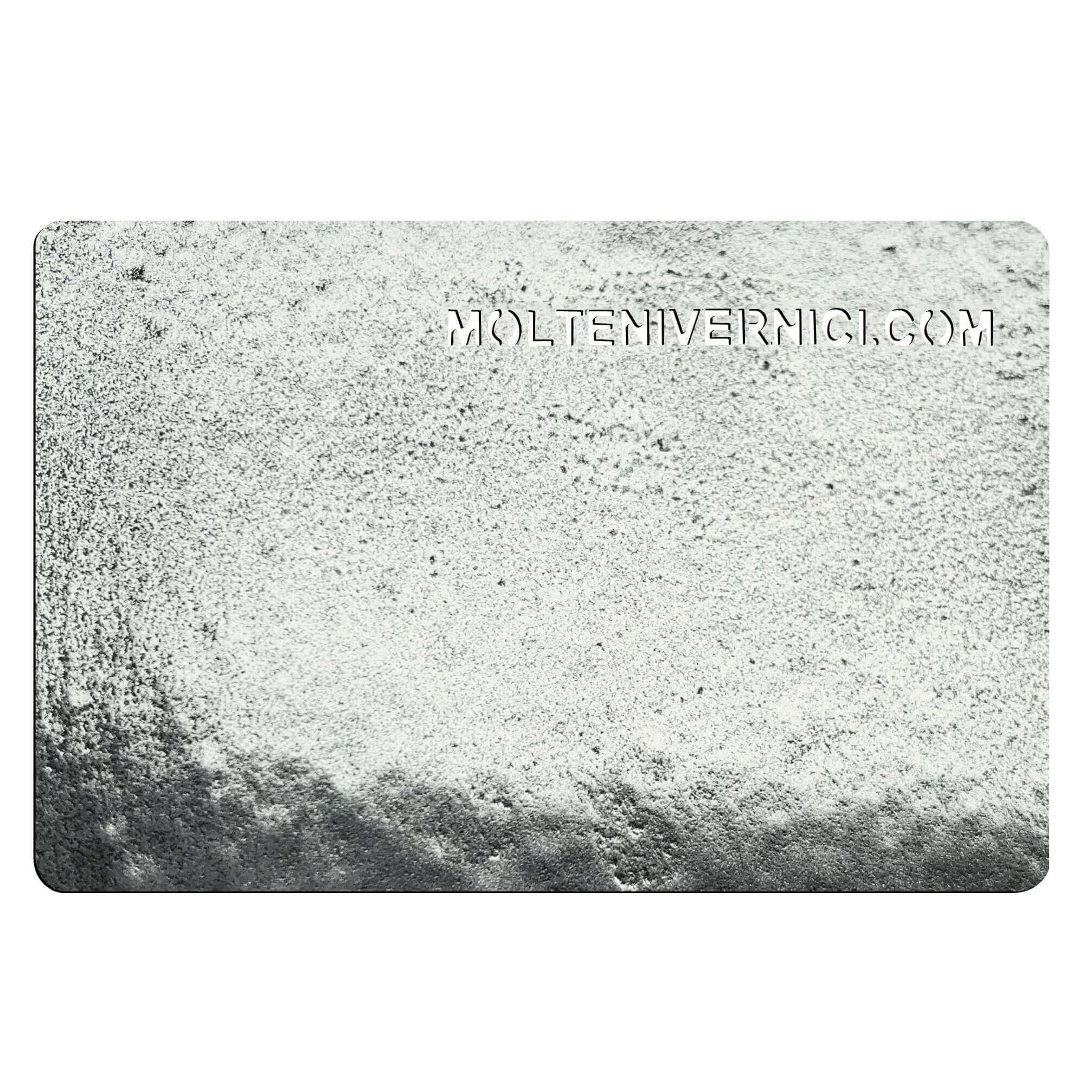
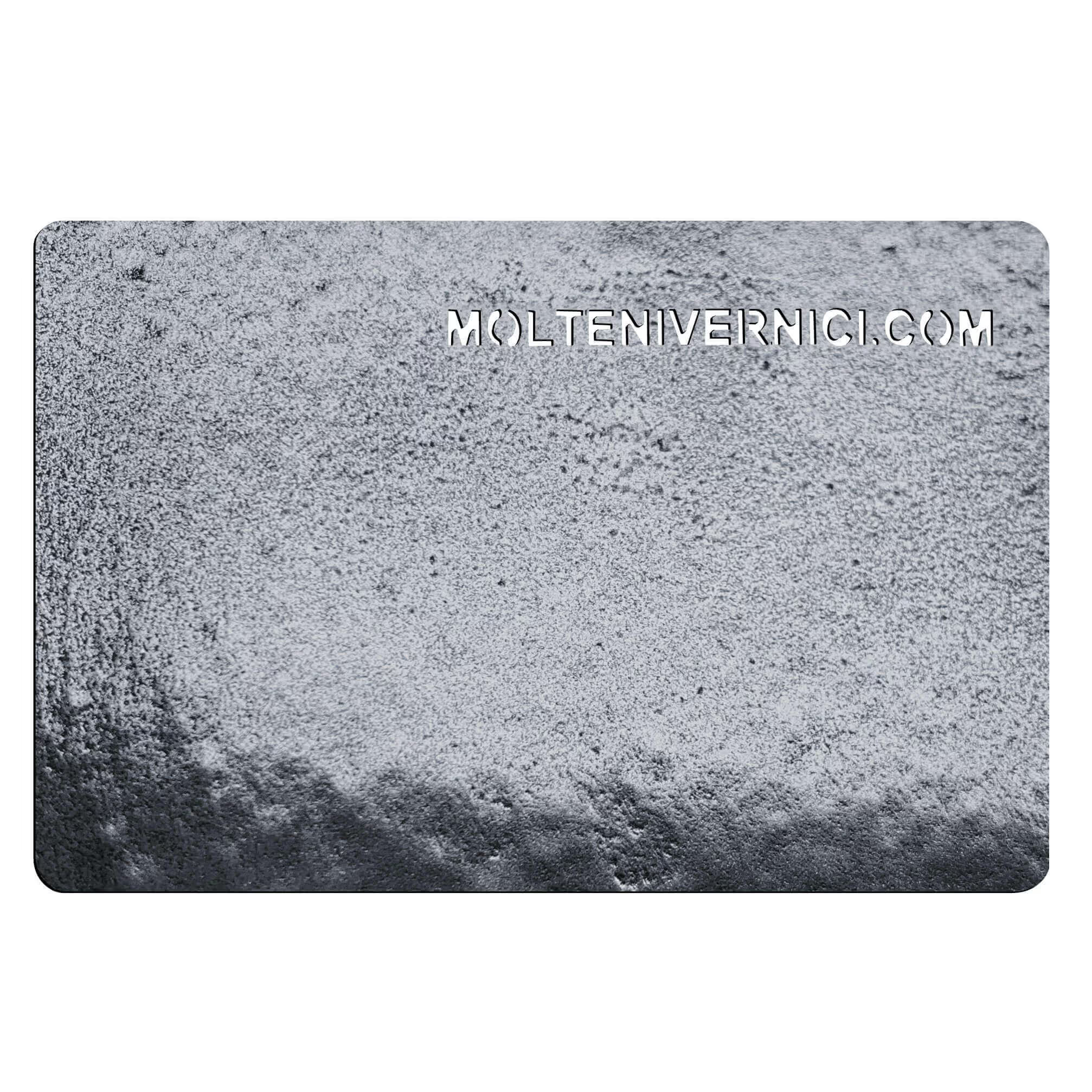
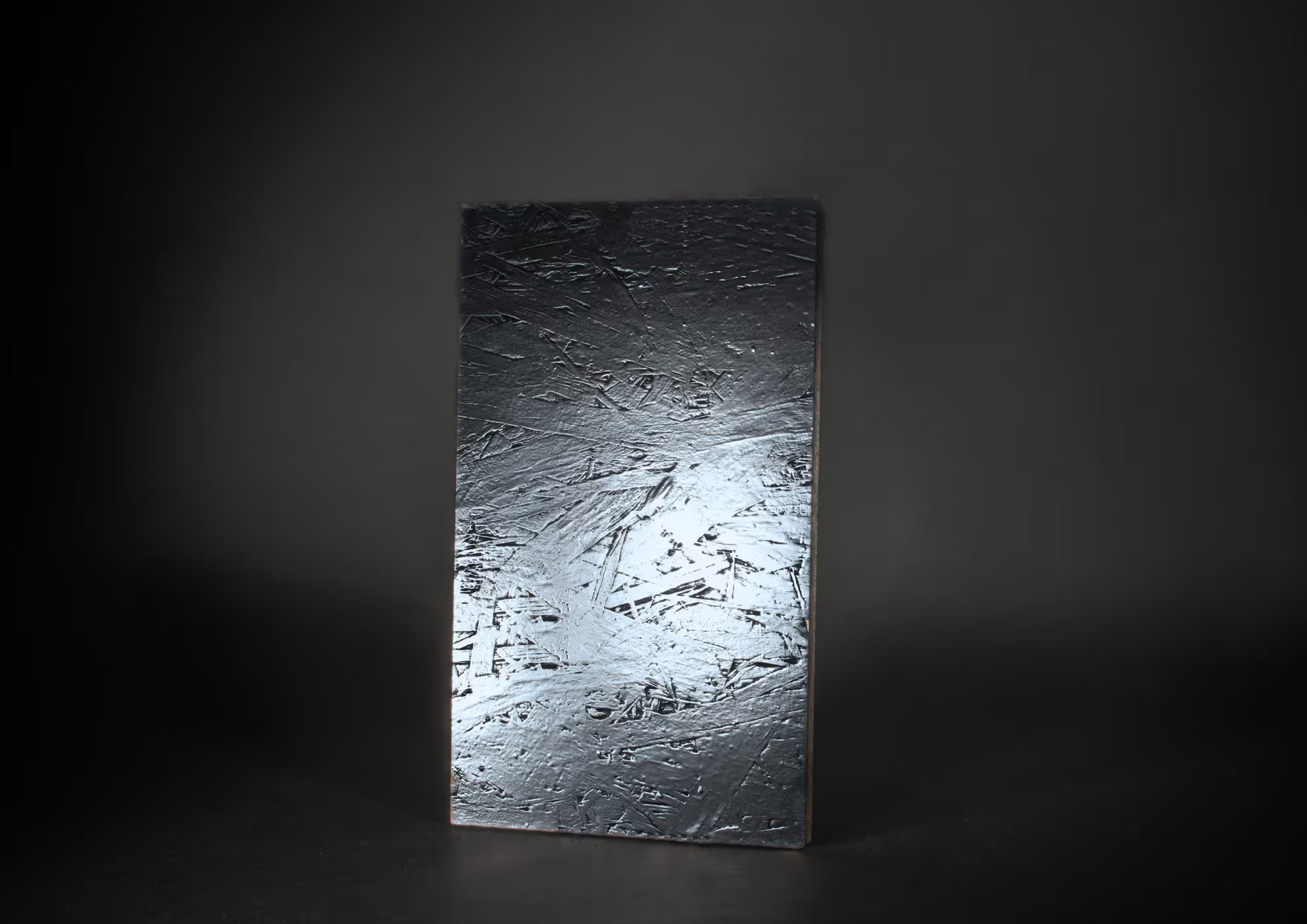
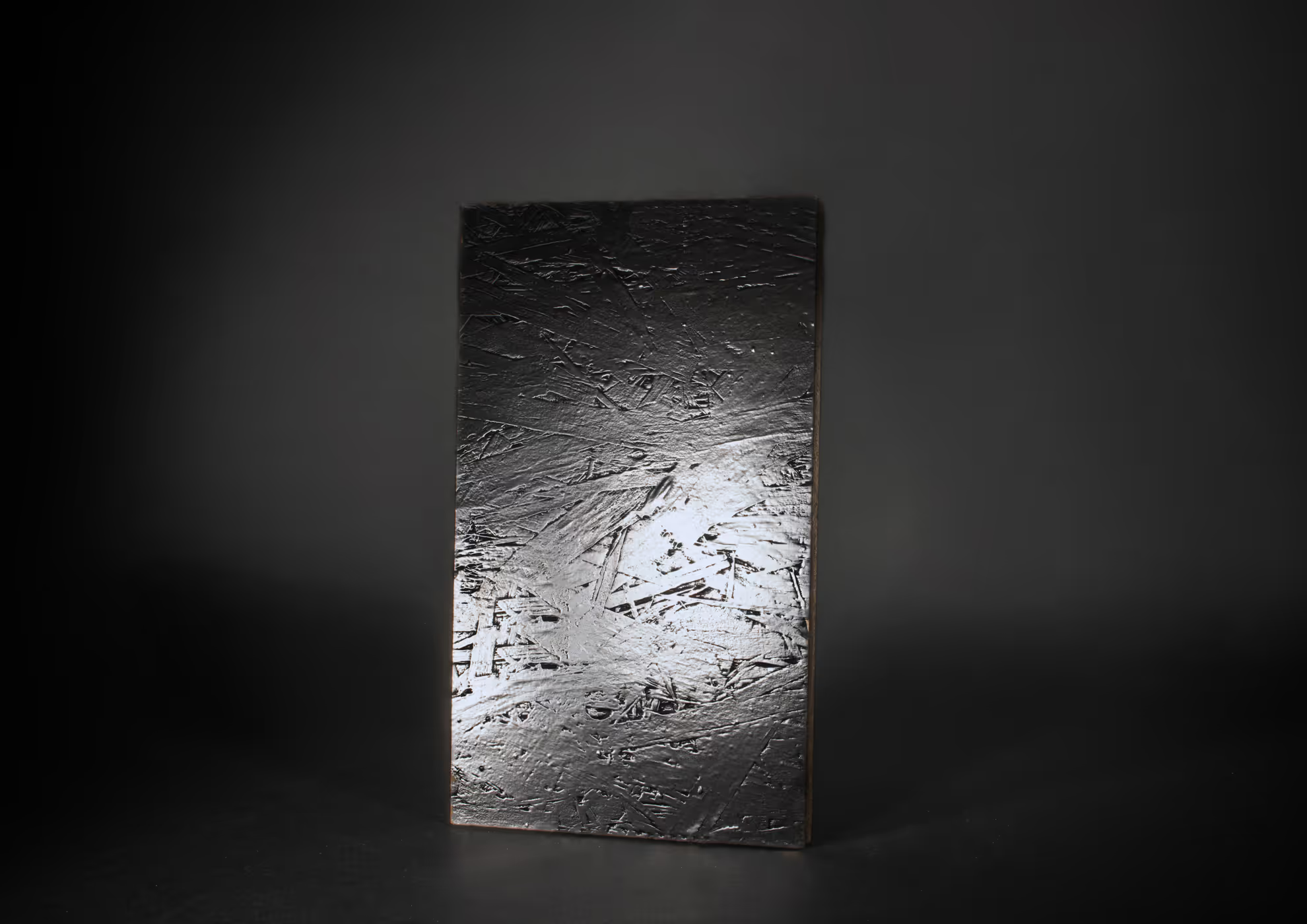
Varnish Effect Polished Liquid Metal
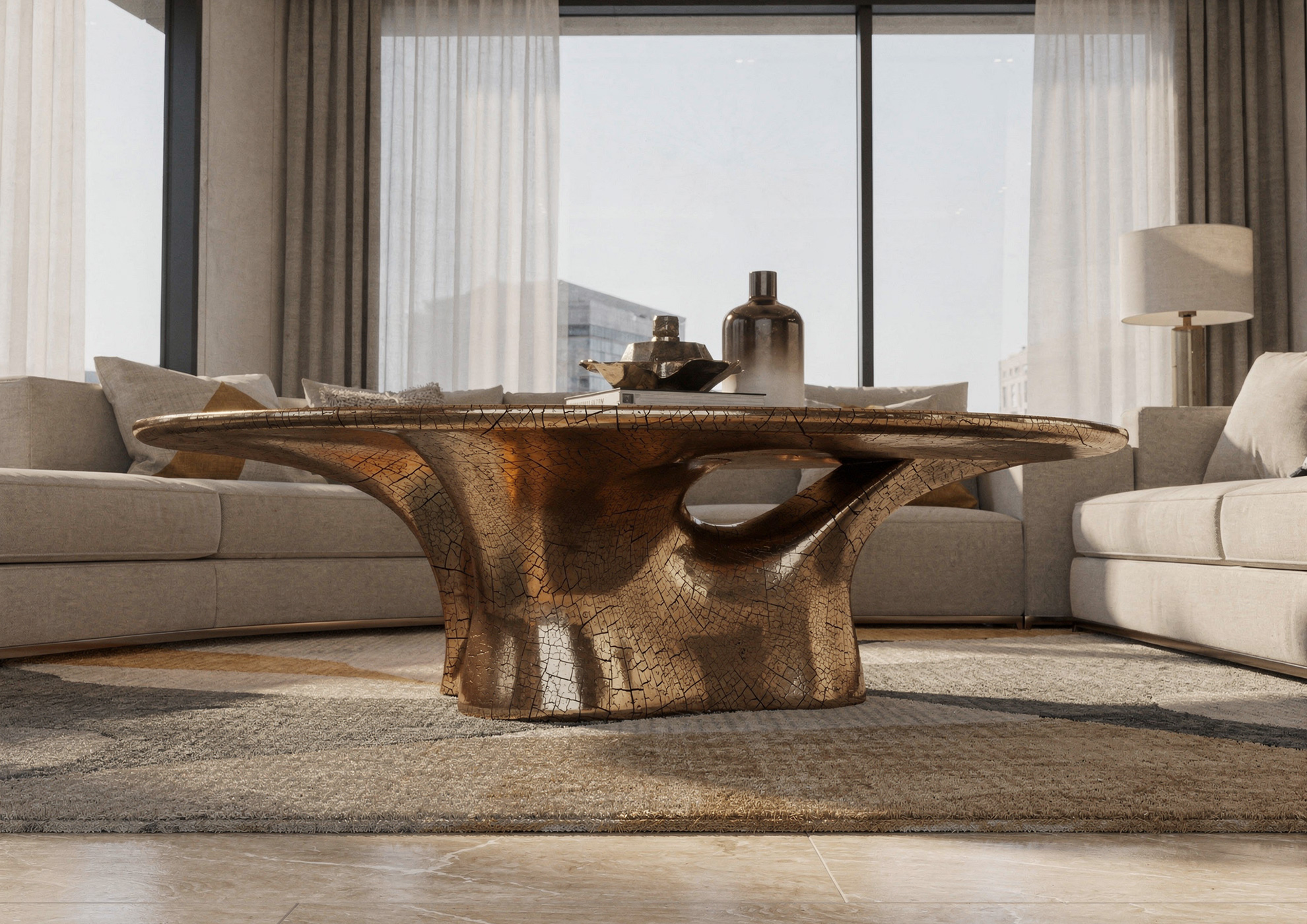
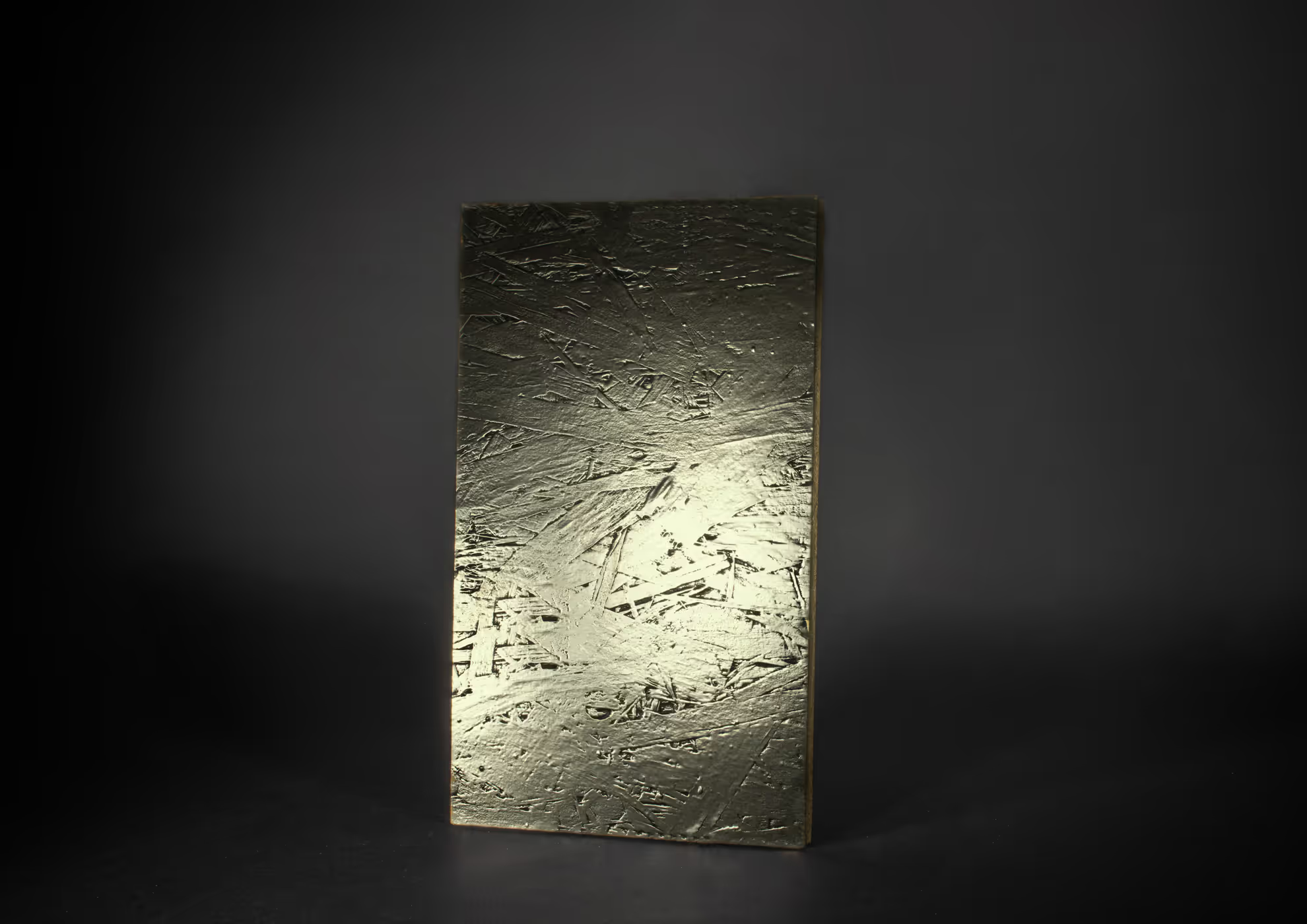
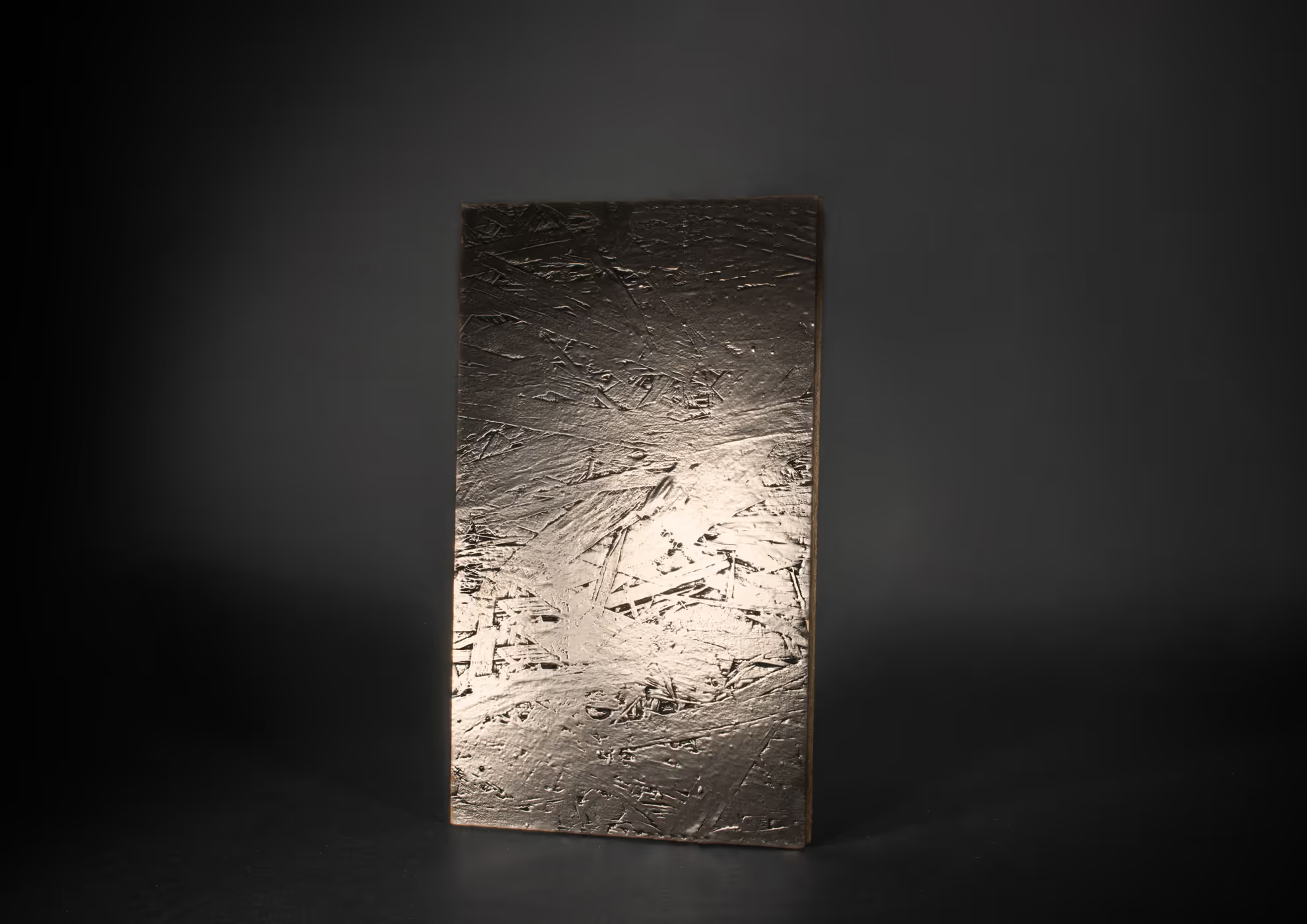
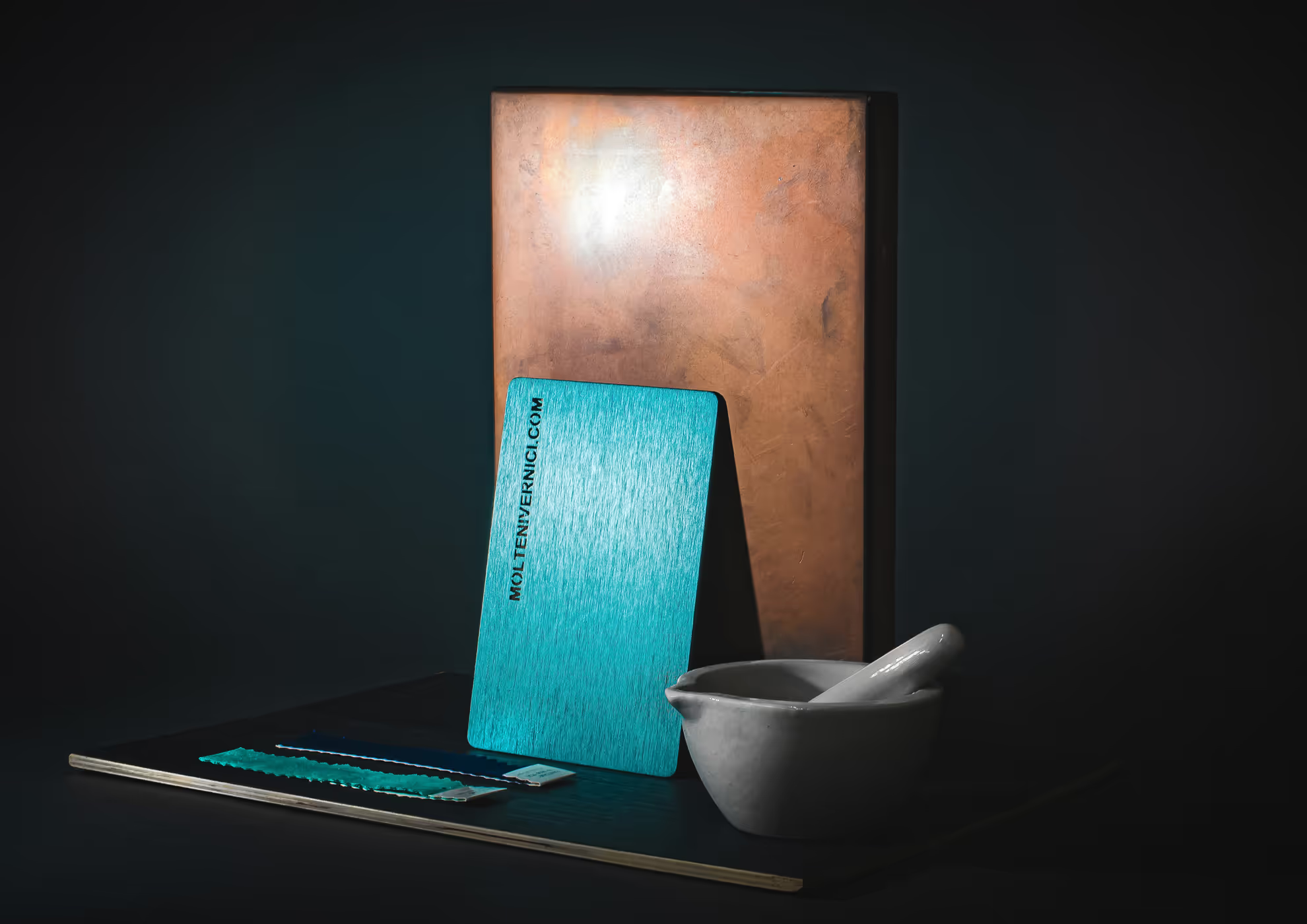
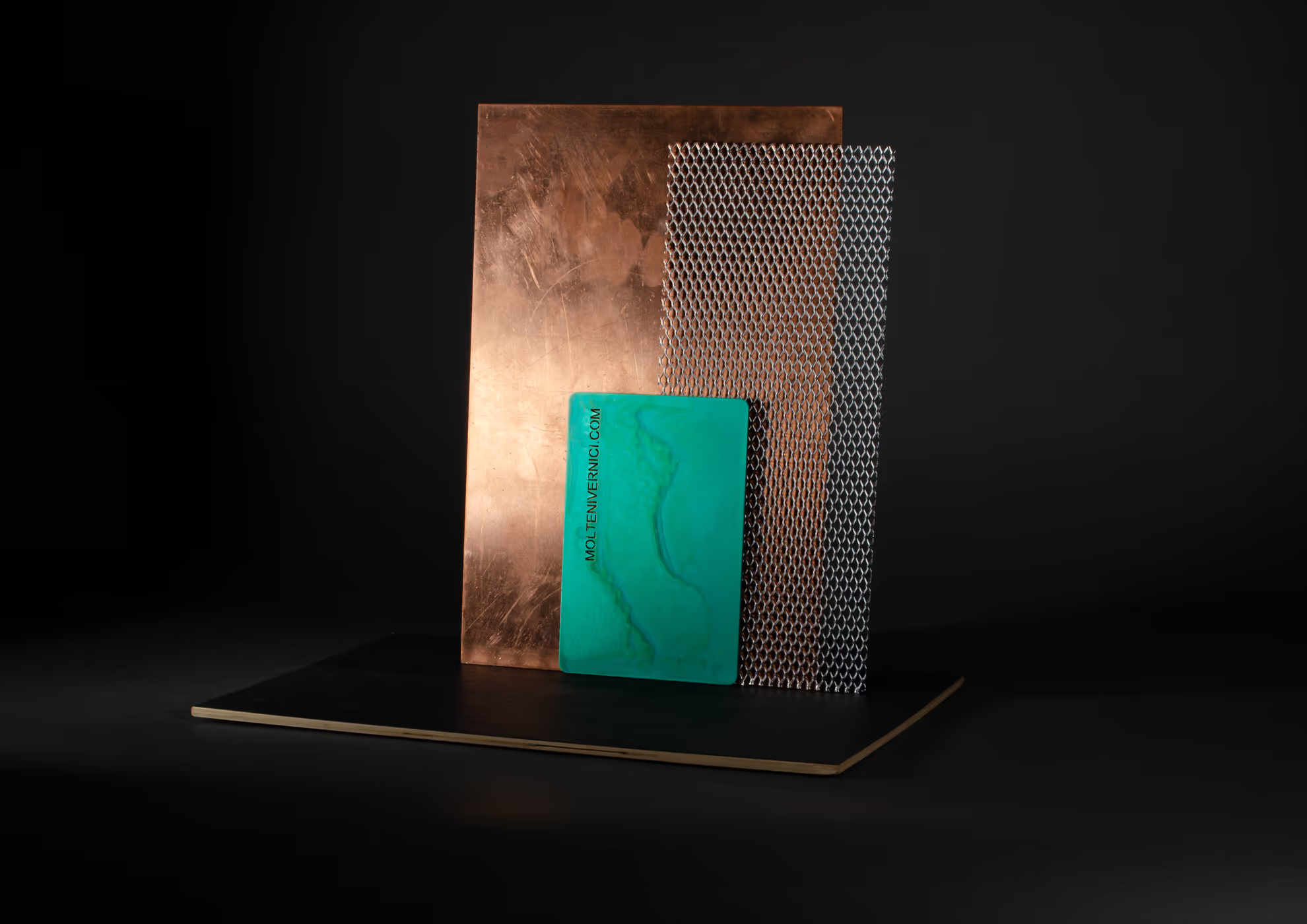
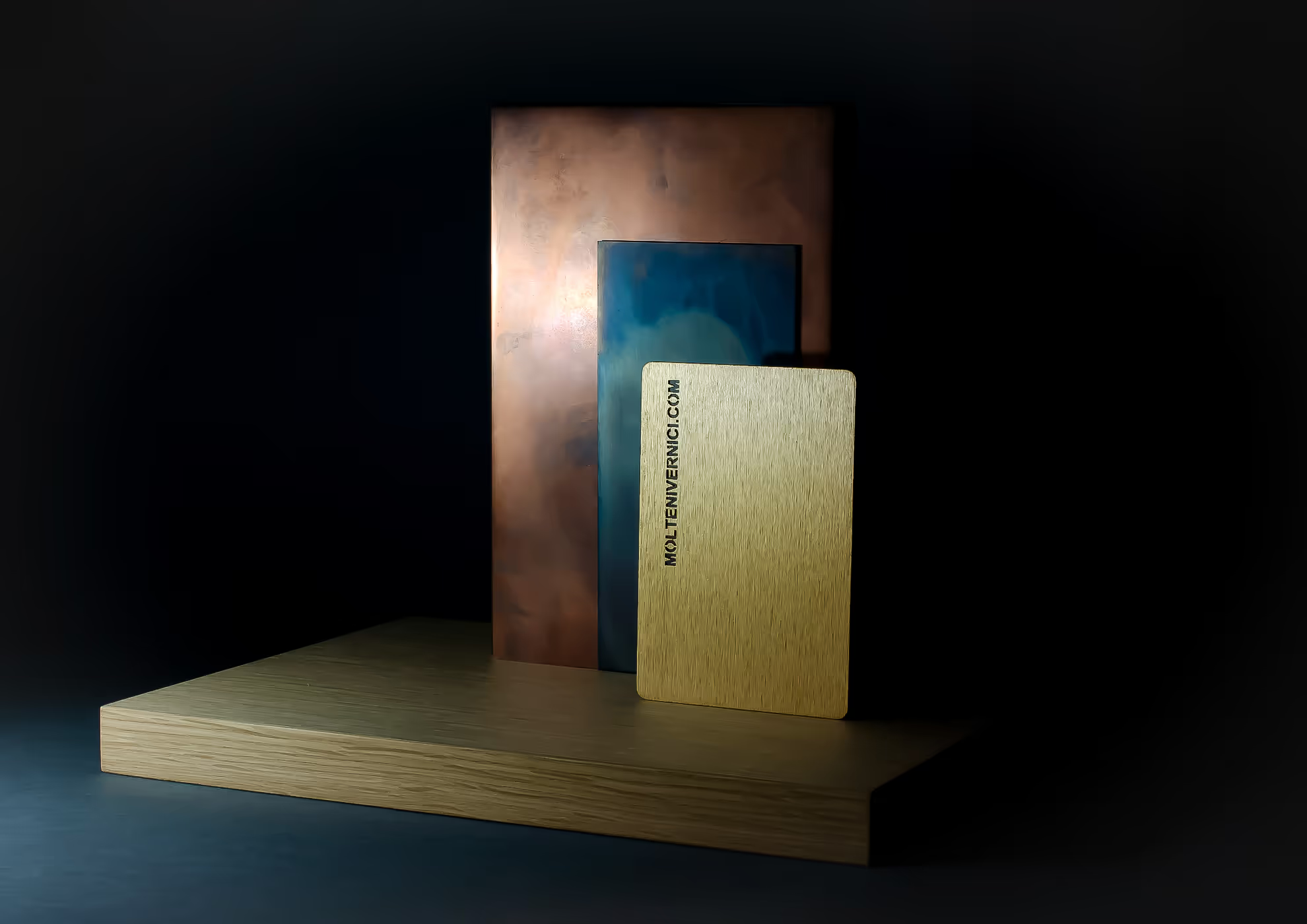
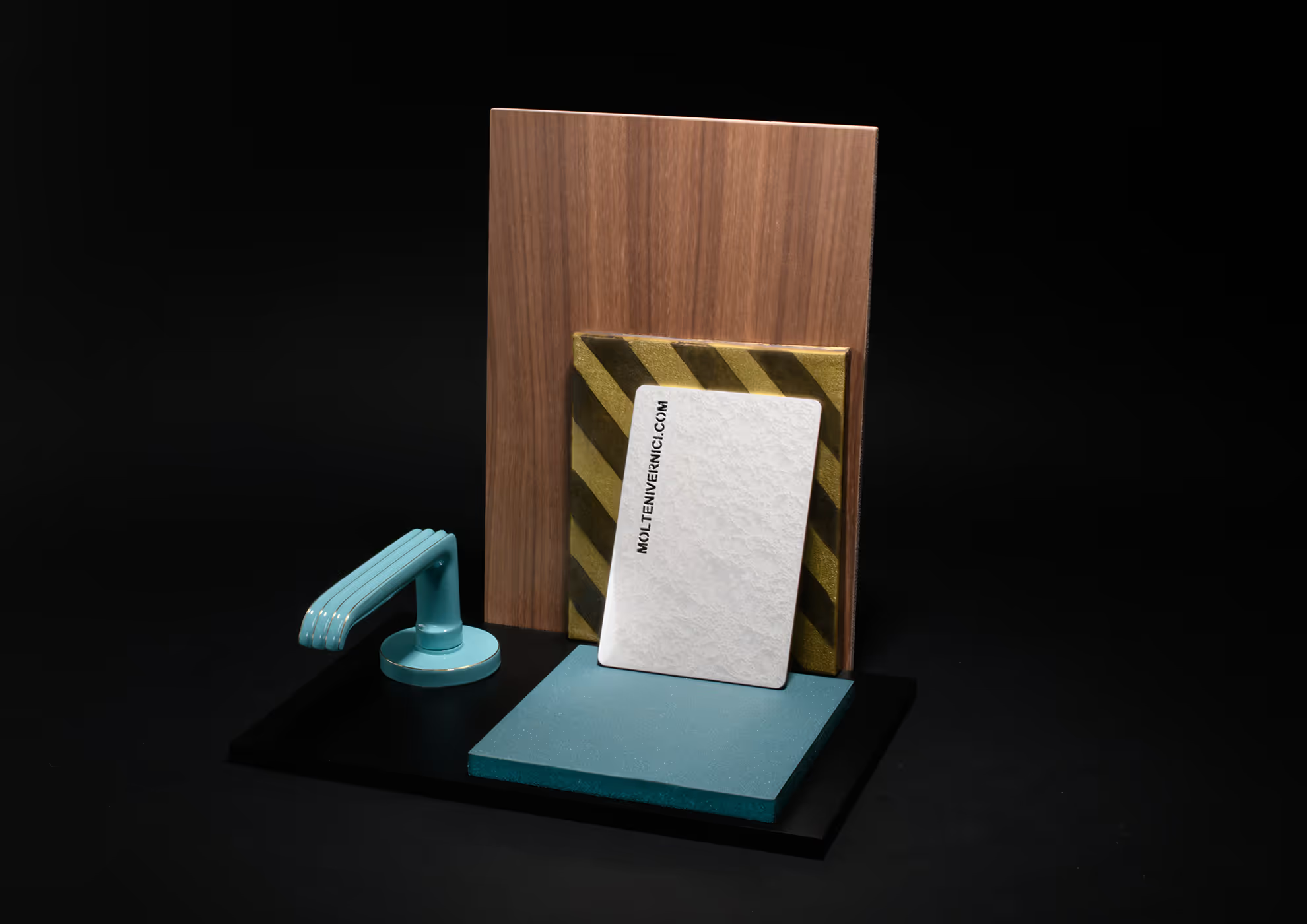
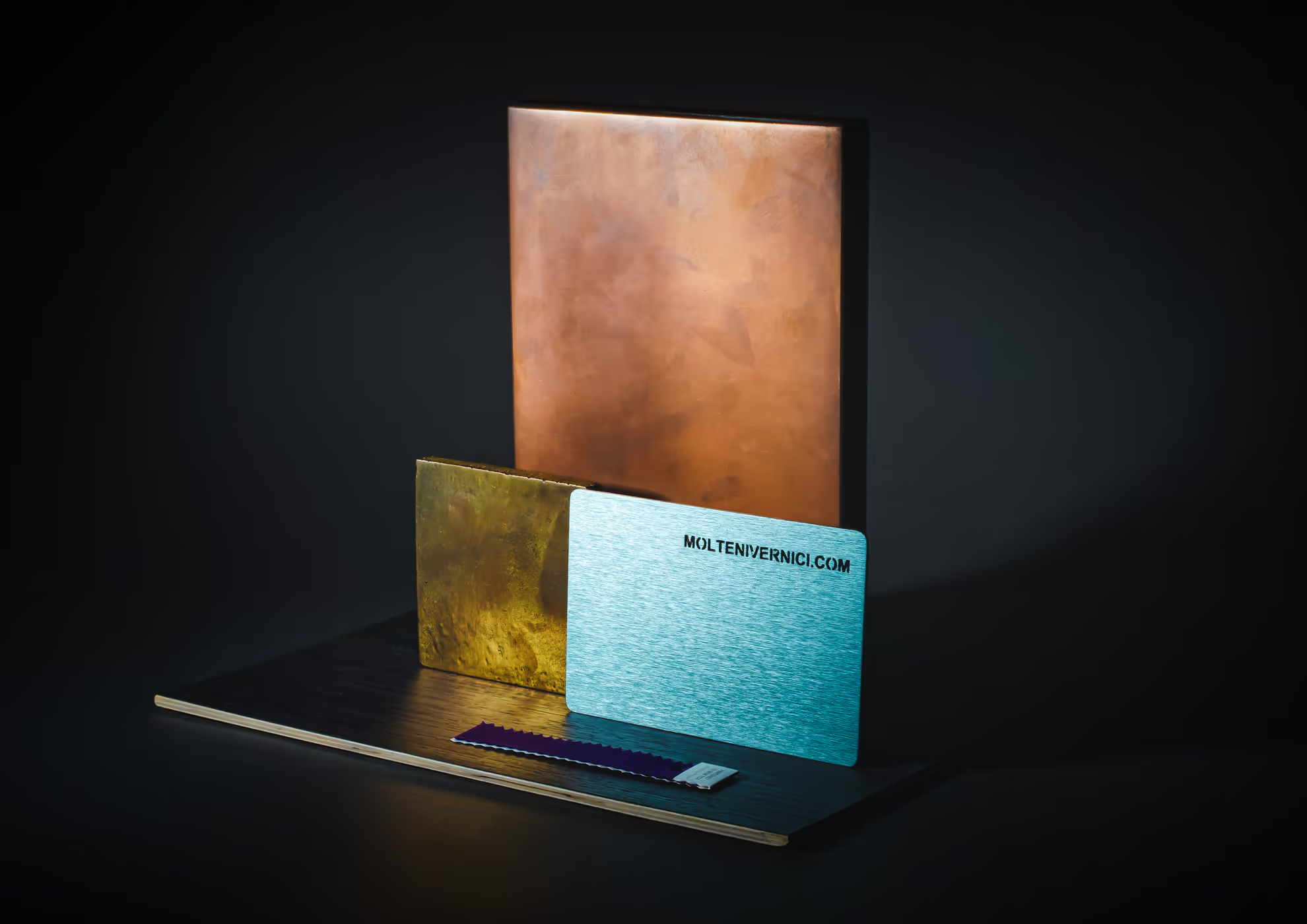
POWERMETAL™ is the liquid metal developed by Molteni Vernici to transform any surface into authentic metallic material. It doesn't just reproduce the appearance of metal; it creates a real metallic surface that can be worked, satin-finished, brushed, oxidized, and enhanced like a traditional alloy, opening up new design possibilities for architecture, interior design, and industrial production.
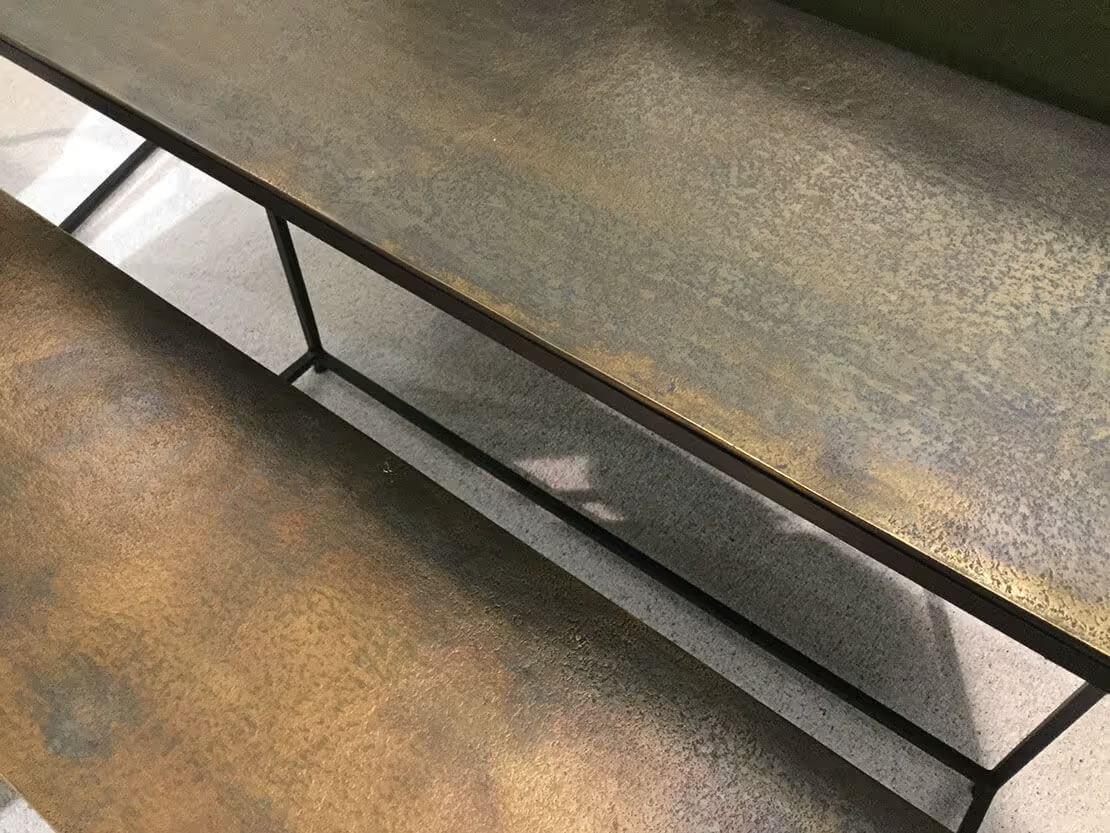
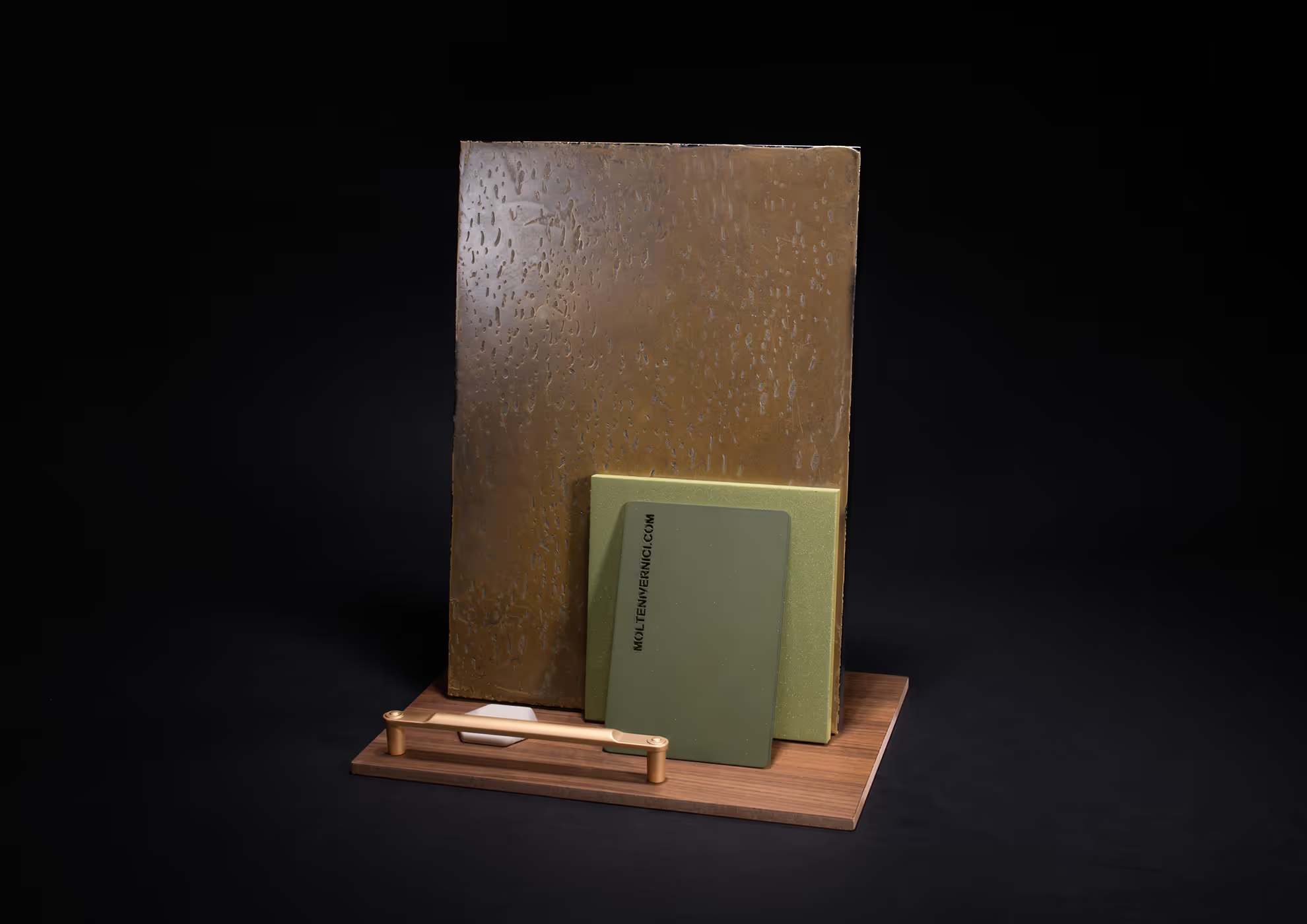
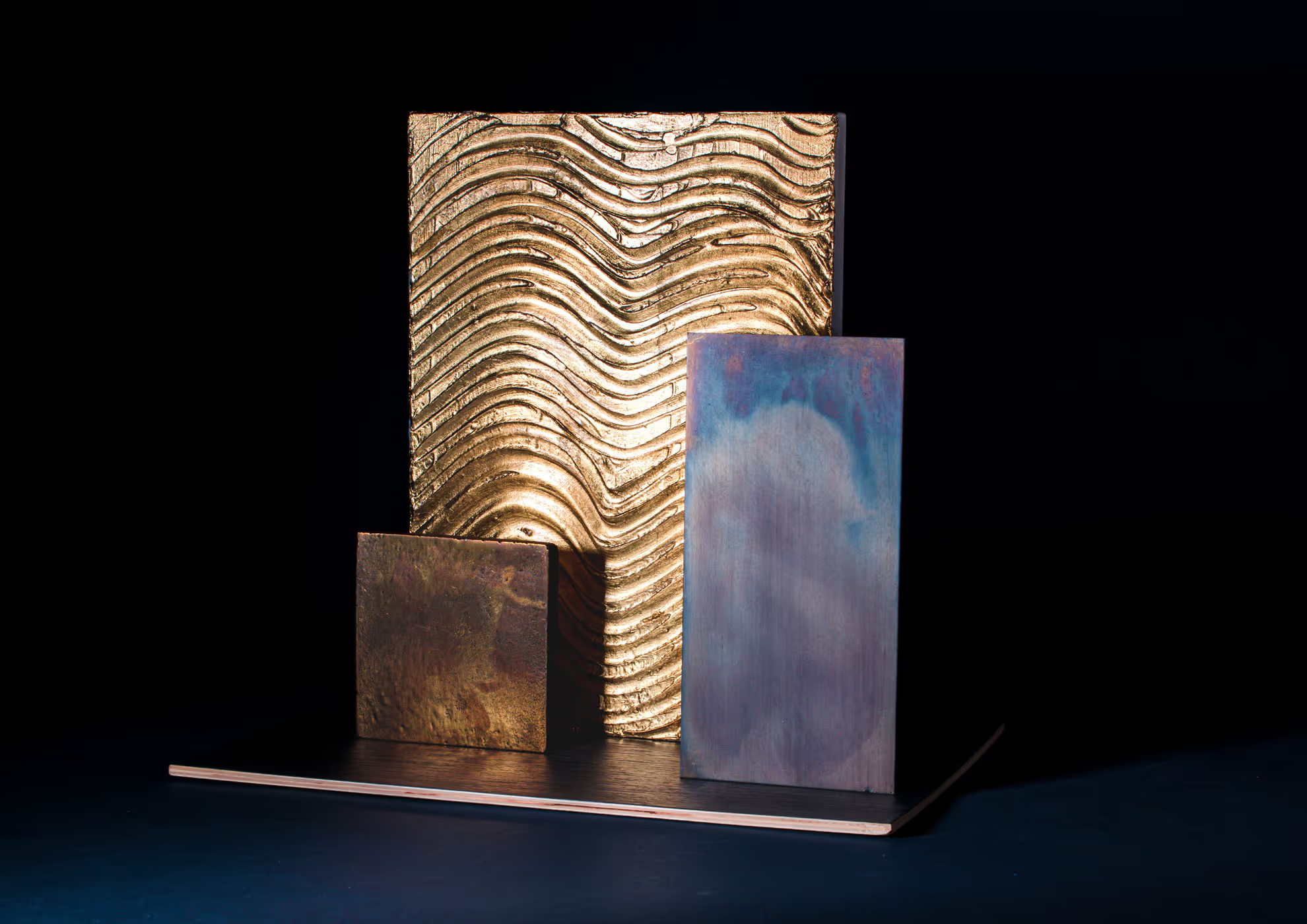
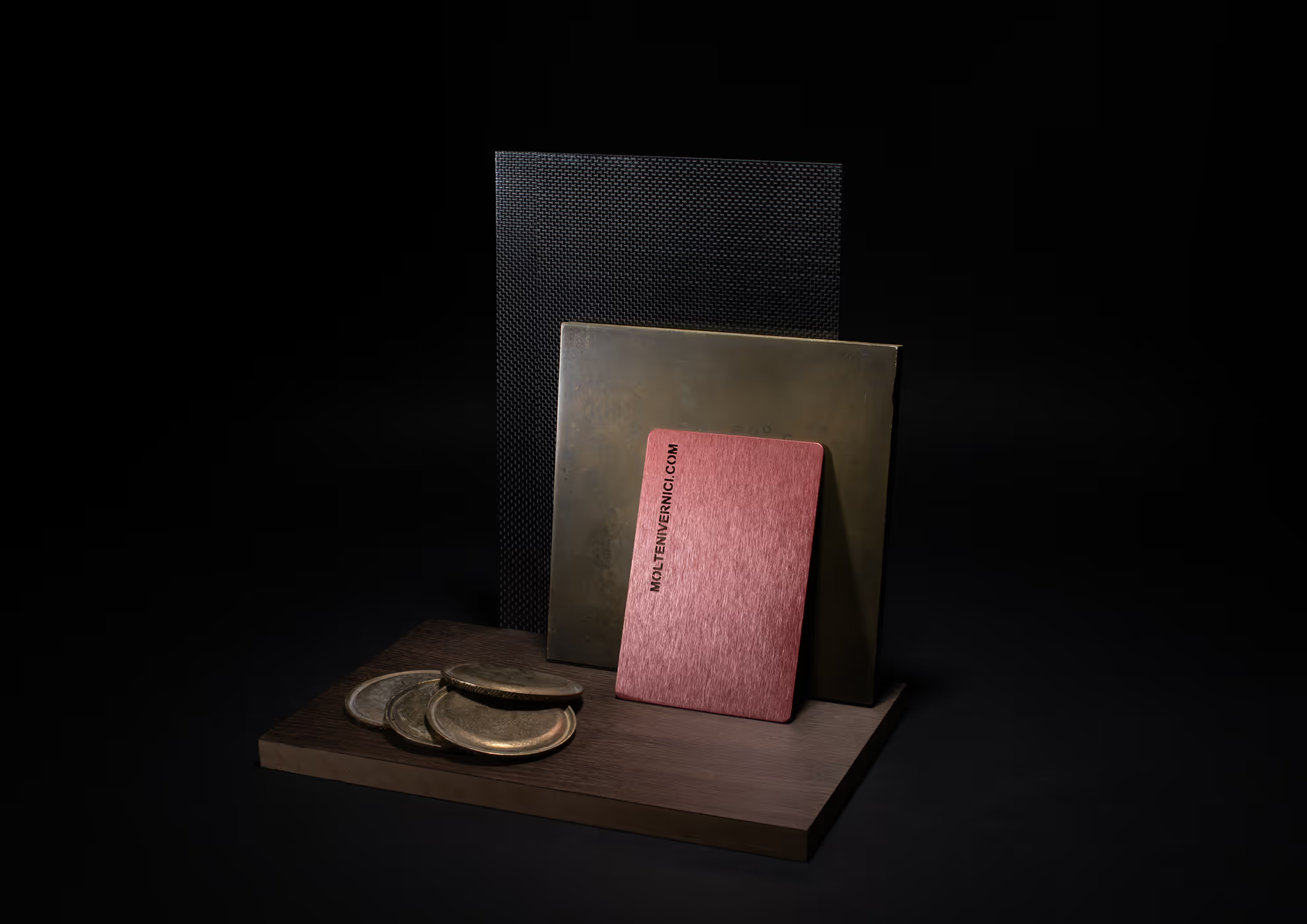
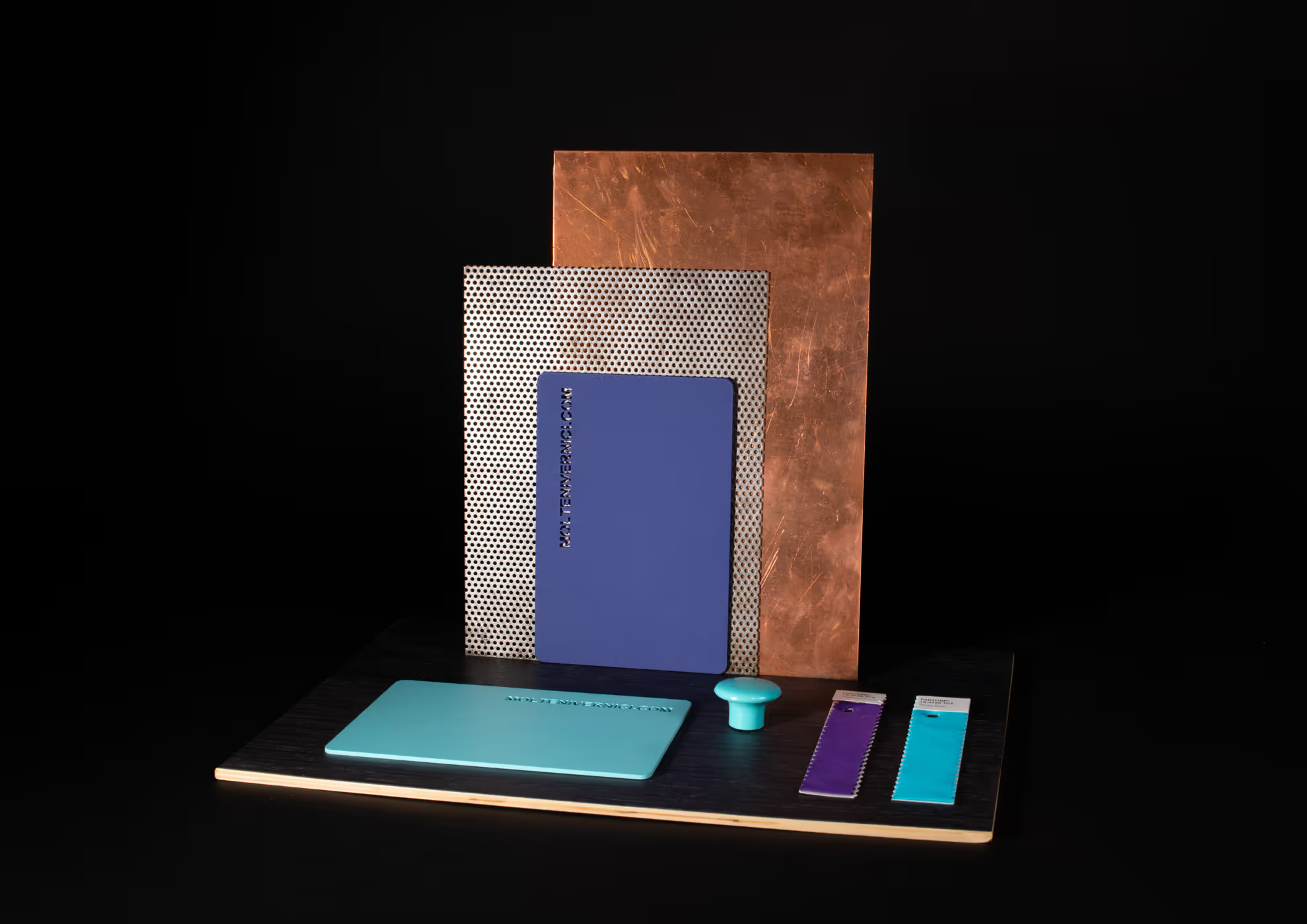
Developed by Molteni Vernici's Research and Development Center, POWERMETAL™ is a ready-to-use 2K two-component system that allows the natural beauty of copper, brass, bronze, steel, nickel, and other metallic alloys to be transferred onto metal, wood, MDF, composite materials, and numerous substrates prepared with specific primers. The result is an authentically metallic surface, capable of evolving over time through natural controlled oxidation processes and subsequent decorative treatments.
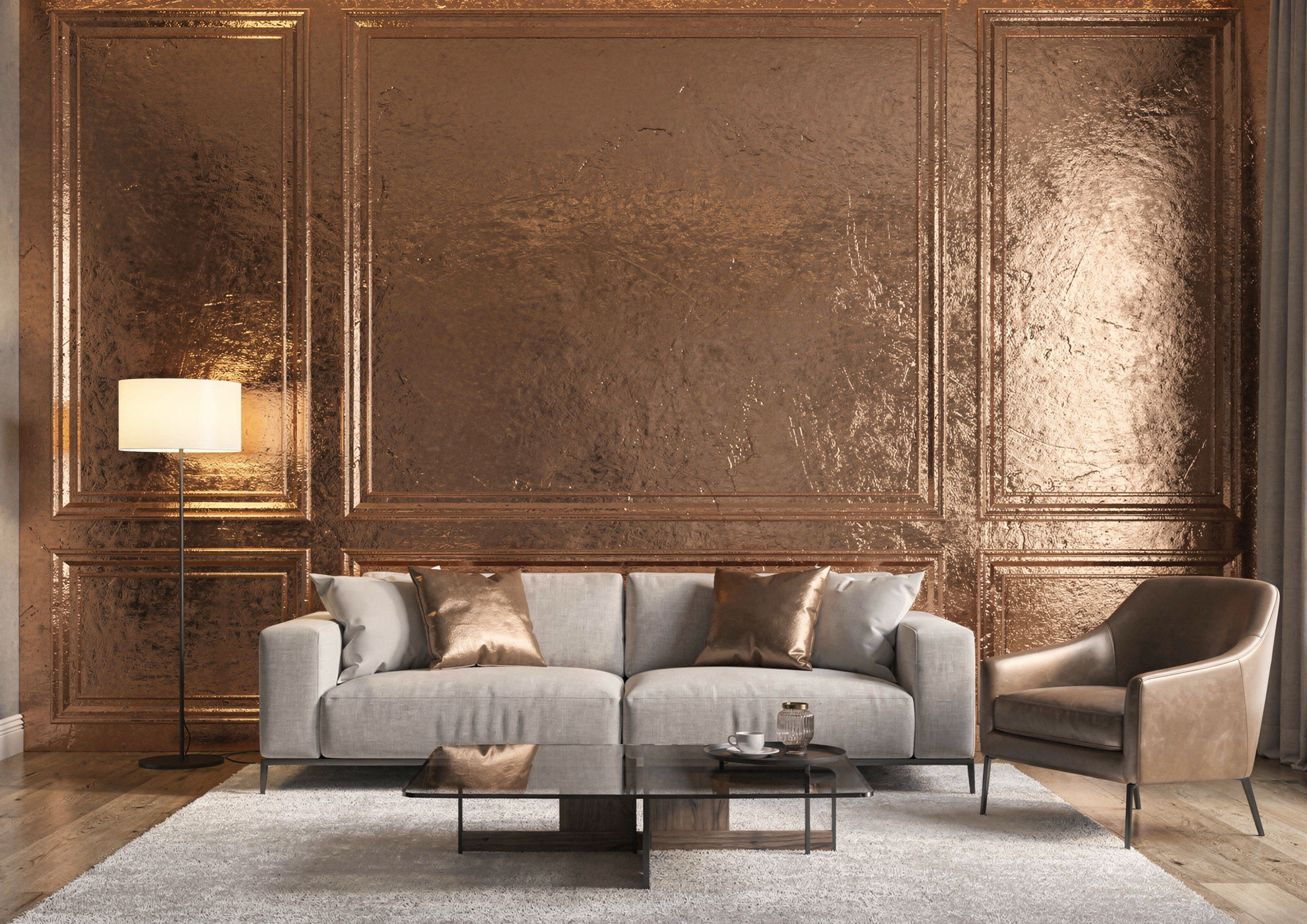
Designed for the world of interior and outdoor design, high-end furniture, luxury retail, hospitality, contract, marine, and architecture, POWERMETAL™ finds application in boutiques, flagship stores, hotels, resorts, yachts, showrooms, contemporary villas, museums, commercial spaces, and exclusive residences. It is ideal for doors, decorative panels, boiseries, reception desks, counters, custom furniture, cladding, columns, sculptural elements, art installations, and architectural details where metal becomes the protagonist of the project.
The presence of real metal within the finish allows for the creation of surface treatments and aesthetic effects impossible to achieve with a traditional decorative paint. The surface can be customized through brushing, satin finishing, polishing, and controlled oxidation processes, allowing architects and designers to create unique and unrepeatable finishes.
Applicable, using Molteni Vernici's specific cycles, on metals, wood, MDF, plastics, composite materials, and numerous other suitably prepared substrates, POWERMETAL™ allows for the extension of metallic material even where the use of traditional sheets or castings would be technically complex or economically unsustainable.
POWERMETAL™ can be used both indoors and outdoors with specific application cycles. It is also ideal for architectural facades, window frames, metal cladding, design signs, pergolas, ventilated facades, high-end outdoor furniture, hotels, resorts, yacht clubs, and projects intended for environments exposed to atmospheric agents.
Through specific protective cycles, POWERMETAL™ offers high performance in terms of resistance to wear, scratches, thermal shock, atmospheric agents, UV rays, salt spray, chemical agents, and detergents, preserving the surface quality over time and allowing, when required by the project, the natural aesthetic evolution of metallic alloys.
With POWERMETAL™, Molteni Vernici goes beyond the traditional concept of decorative finish, offering architects, designers, and manufacturers a true liquid metallic material capable of transforming any surface into an authentic, living element destined to evolve with the project.
POWERMETAL™
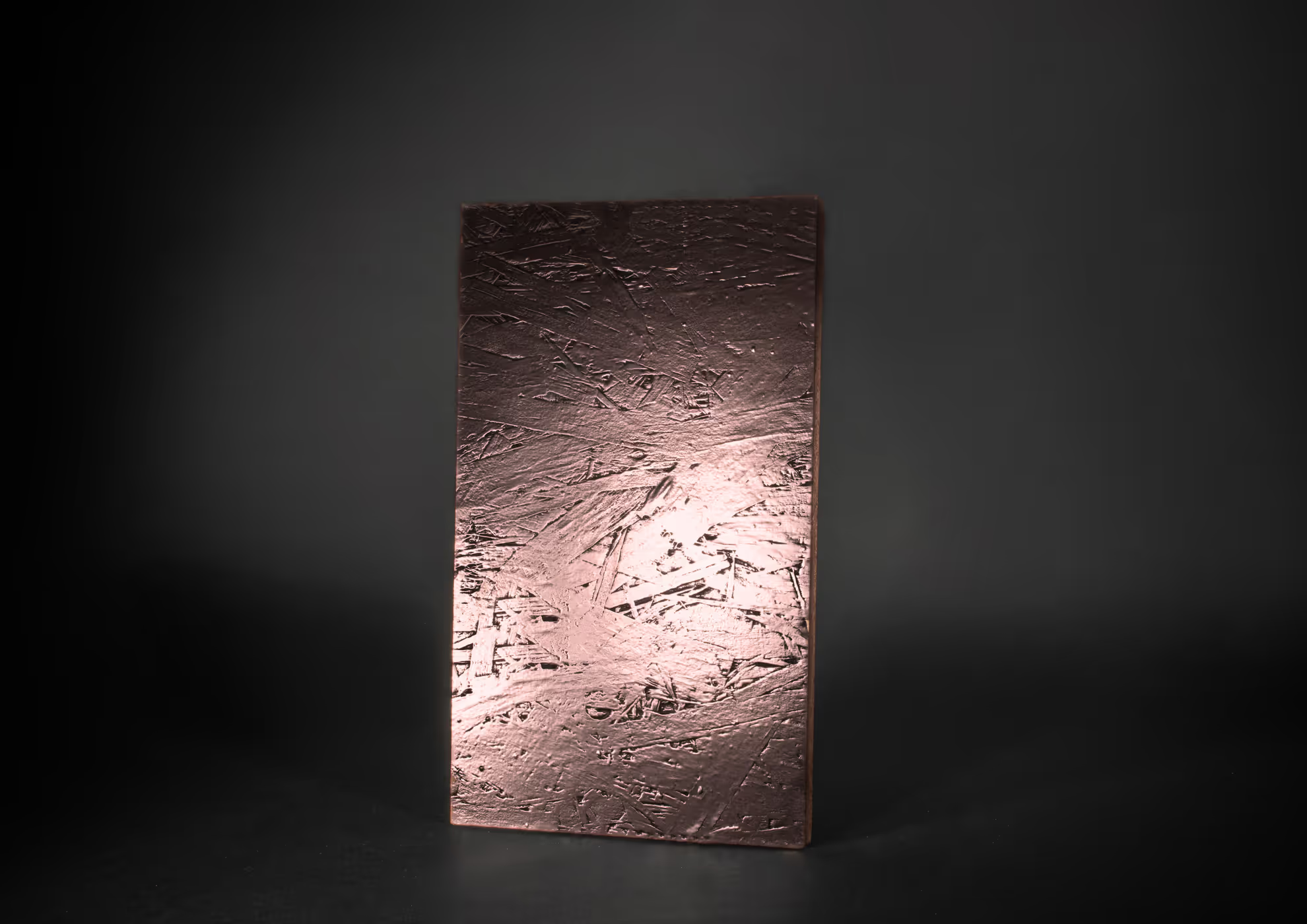
POWERMETAL™ is not a classic metallic paint or an electrolytic plating, but a process of cold metallization able to create metal finishes completely by spraying, allowing in this way the replacement of all metal foils in the Folding process and the creation of new amorphous and complex forms never thought or created until now. POWERMETAL™ is a real paint that can be applied by spraying, by roller, by hand, or poured with the traditional equipments on a huge variety of supports. These include, but are not limited to laminate, melamine, wood, plastic, plaster, fiberglass, ceramic, concrete, foam, porcelain, glass and metal.
SUPPORT’S PREPARATION
POWERMETAL™ offers a metal composite which fastens with the substrate in a very flexible way. The strength of the bond and thus the quality of the final piece depend on the proper pre-treatment of the workpiece’s surface. Objective of the pre-treatment is to get a smooth, dry surface without any residue. Processes such as degreasing, grinding, tumbling and sandblasting can help to remove all those superficial impurities such as dust, moisture, oil or solvents. In case of porous substrates, such as wood and plaster, holes can be treated with fillers in order to achieve an optimal surface quality. Edges and corners should be smoothed in order to allow a perfect polishing of these areas, enhancing also in this way the desired decorative effect.
APPLICATION
POWERMETAL™ is a two-component ready-to-use paint. Apply at room temperature directly on the prepared support the composite mixture of POWERMETAL™, consisting of paint and hardener, by pneumatic spraying, by brushing, by roller or by casting. The desired effect and the necessary final treatment depend on the thickness of the layer, which can normally vary between 80 and 150 microns. After the spraying process, the workpiece must rest for about 60 minutes at a temperature not less than 15°C. Then the supports have to be dried for 6-12 hours at a temperature of 20-60°C. Subsequently, the surface is ready for the next treatment steps.
SURFACE’S TREATMENT
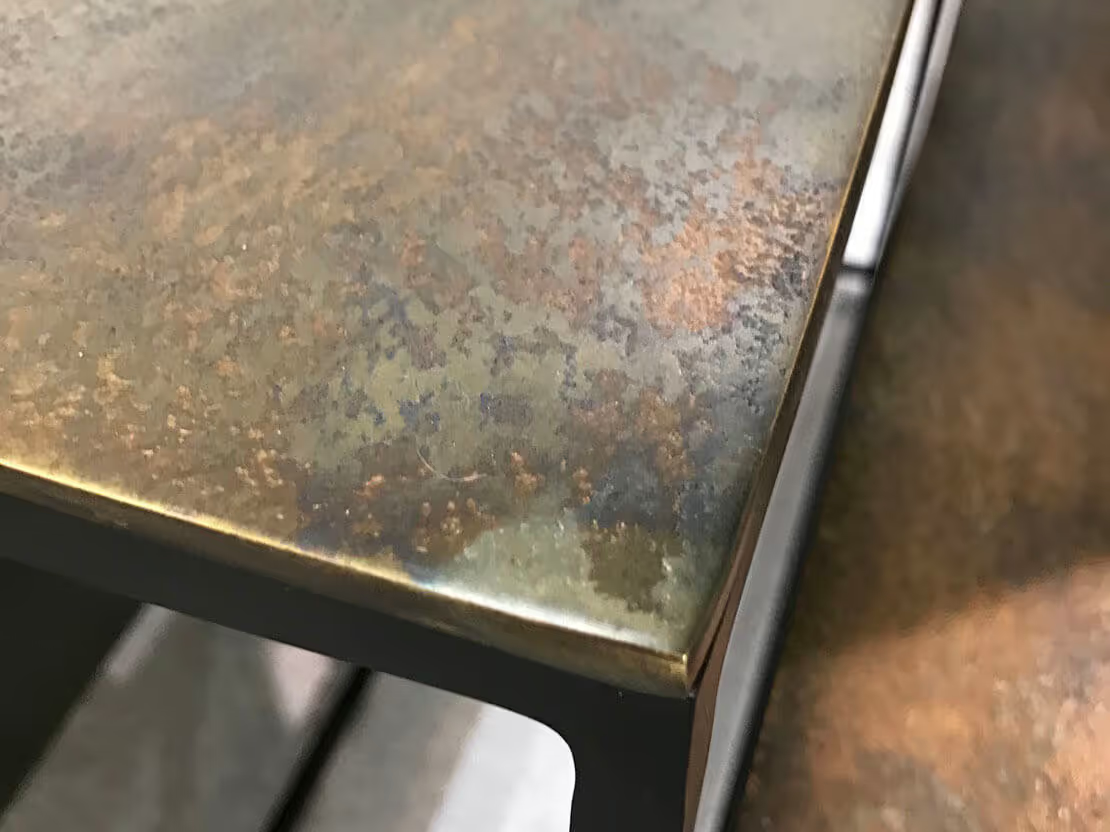
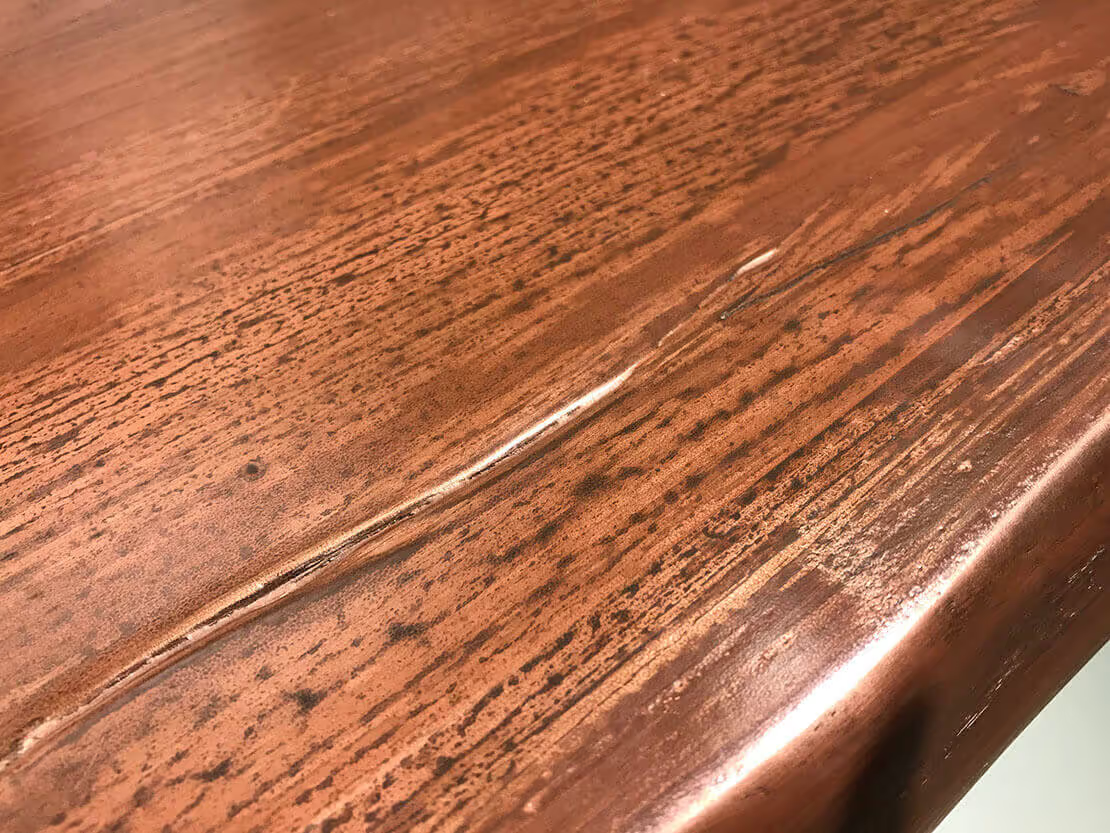
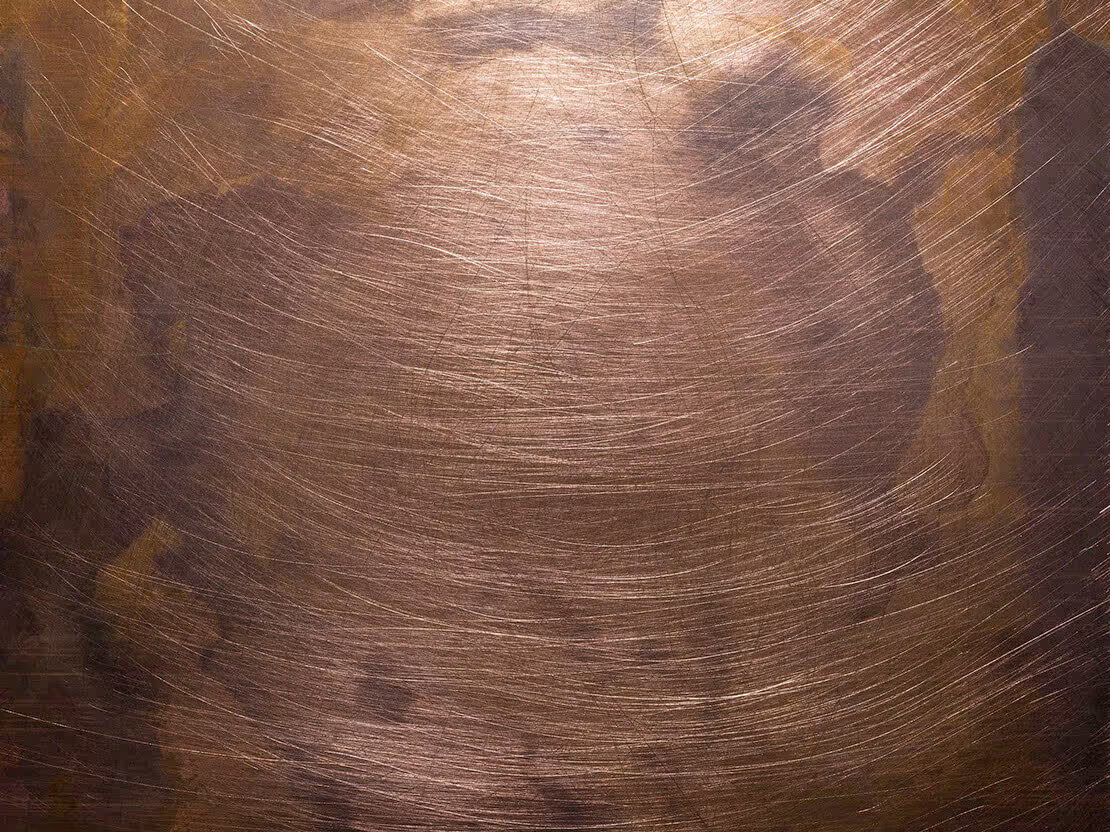
The dried substrate has got a matt surface that shows some irregular parts and an oxide layer, which is due to the chemical reaction during the hardening process. Proceed with the pre-treatment of sanding or sandblasting. Sandblasting or sanding will remove the reactive layer and all irregular surfaces. The metal’s surface will be matt and ready for the next treatments. The composite metal obtained on the surface can be treated with different processes: additional sandblasting, sanding, polishing (high gloss or matt), semi-bright brushing, brushing with scotch brite, grinding oil, to obtain different superficial results of brightness, gloss and structure. A BRONZOX™ treatment with different solutions causes a chemical transformation of the metal surface in a few hours. The possible effects are: 1. Oxidation of bronze, brass and copper 2. Corrosion of bronze, brass, copper, nickel steel, chrome steel and iron 3. Corrosion (rust) of iron.
The condition of the surface of the final metal can be maintained for a short period of time with a special sealing. When the surface is cleaned only after the final treatment of the metal, it changes in a natural way. A less smooth surface will show the corrosion and all the reactions faster than a smoother surface.